Hurricane Season Roof Prep: A Tampa Bay Checklist for 2026
Hurricane roof preparation in Tampa Bay isn’t optional, it’s a yearly responsibility for every homeowner and business owner along the Gulf Coast. At Bayside Roofing Professionals, we’ve spent more than 30 years helping families and commercial property owners across Holiday, Clearwater, St. Petersburg, and Tampa get their roofs storm-ready before the first system spins up in the Atlantic. This 2026 guide walks you through what we inspect, what we reinforce, and what you can do right now to protect the building above your head.
Why Tampa Bay Roofs Face Unique Hurricane Risks
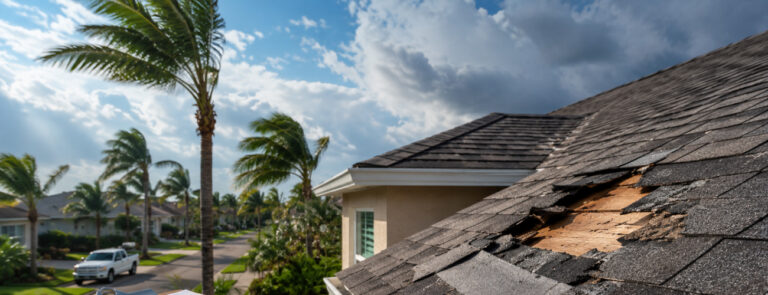
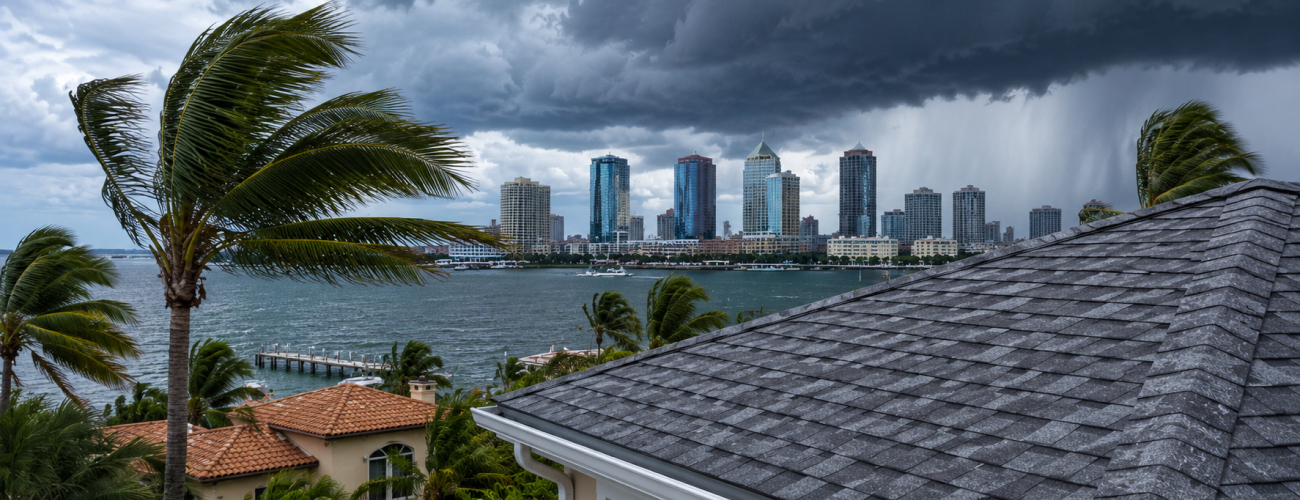
Tampa Bay sits directly in the path of Gulf storms, with tropical systems hitting our coast roughly every two years and major hurricanes about every four. Wind speeds frequently exceed 100 mph, and Hurricane Milton in 2024 reminded our region how quickly brittle shingles tear away, how loose roof decks lift, and how stray debris becomes a projectile that punches through anything in its path.
Our local roofs face a second problem most inland homes never deal with: wind uplift. Flat and low-pitched roofs, common on commercial buildings and many older homes near the water, behave like airplane wings in high winds. The pressure differential pulls the roof up and away from the frame. Salt air, intense UV, and humidity also age materials faster here than in most other parts of Florida, which is why Tampa Bay roofs need closer attention than the manufacturer’s general timeline suggests.
Essential Roof Inspection Steps Before Storm Season
Schedule a professional roof inspection between March and April 2026. That window matters because licensed contractors book up fast once the National Hurricane Center starts naming systems, and any repairs we identify need to be finished before June 1, the official start of the Atlantic hurricane season.
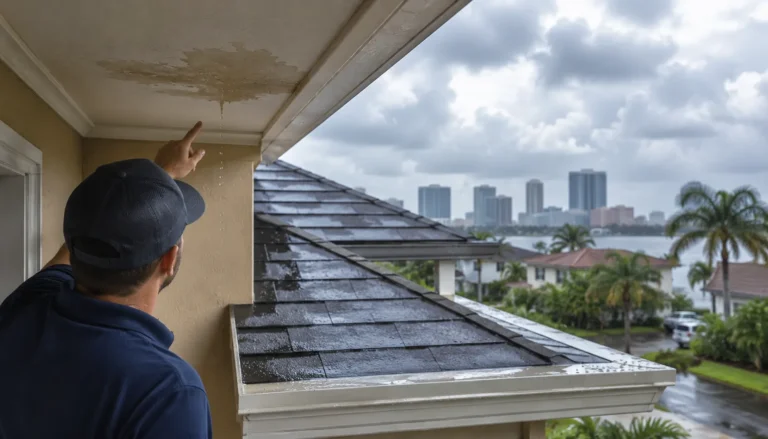
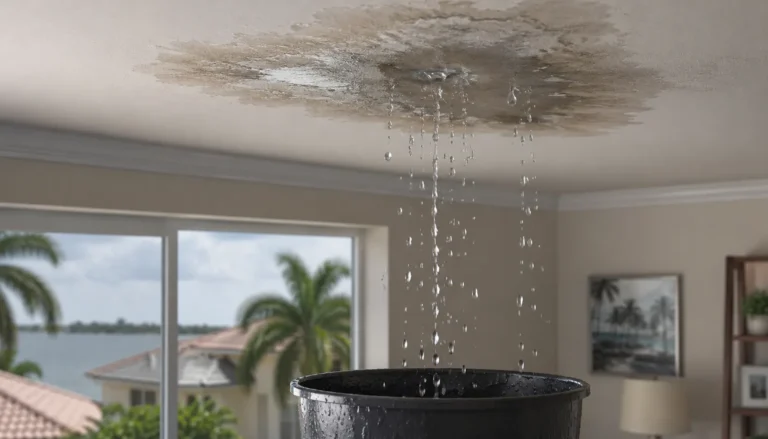
A full inspection covers the roof structure, attic ventilation, fasteners, flashing, and decking. We also look for soft spots, water staining, and signs of past wind lift that homeowners often miss from the ground.
Checking Shingles, Flashing, and Vulnerable Entry Points
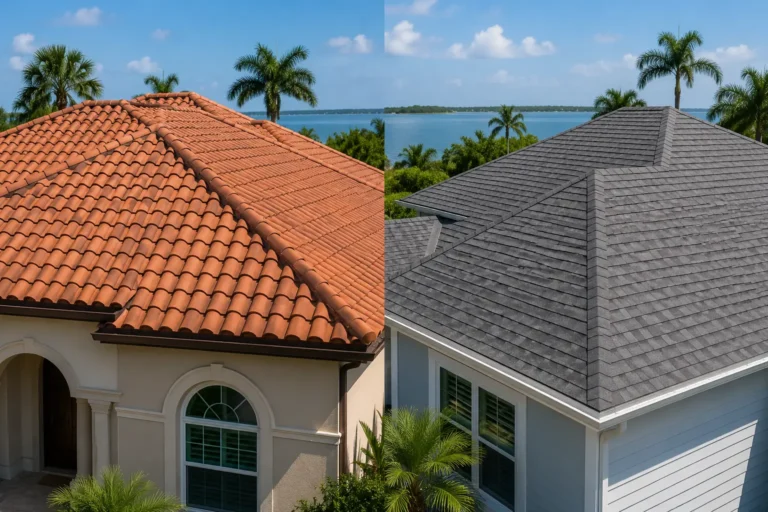
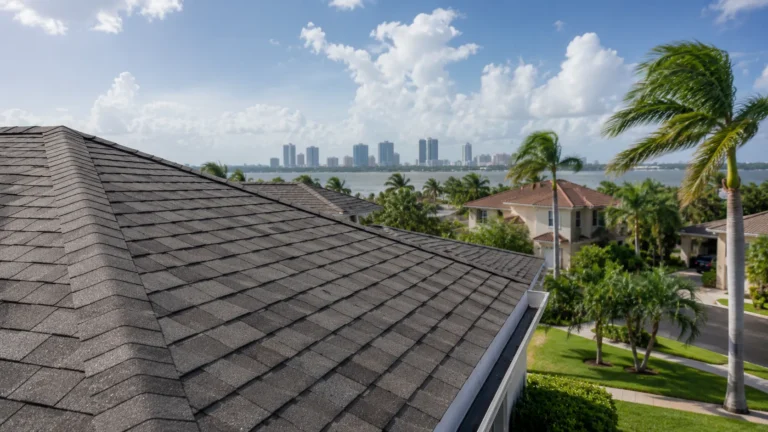
Start at the shingles. Loose, curled, cracked, or missing shingles are the first failure point in any storm. If your roof is over 15 years old, we recommend replacing it with impact-resistant Class H asphalt shingles or Miami-Dade County-approved products rated for high-velocity wind zones.
Next, check the flashing around chimneys, skylights, vents, and valleys. These transitions are where leaks almost always start. Confirm the underlayment is sealed and that roof fasteners meet current Florida wind codes, which were updated after Hurricane Ian to require tighter nailing patterns.
Clearing Gutters and Trimming Surrounding Trees
Clogged gutters back water under shingles and rot the fascia, so clear them out and consider gutter guards if you’re tired of climbing a ladder twice a year. Trim any dead branches or trees within striking distance of your roofline. For larger oaks or pines, hire a certified arborist to assess tree health, since rotted root systems are a major cause of storm damage in neighborhoods like Palm Harbor and Safety Harbor. Before a storm arrives, bring patio furniture, grills, and décor indoors.
Reinforcing Your Roof for Maximum Wind Resistance
A hurricane-ready roof is a system, not a single product. We build wind resistance in layers so that if one component is compromised, the next one holds the line.
The core upgrades we recommend for Tampa Bay homes include:
- A sealed roof deck with enhanced fastening patterns
- A secondary water barrier beneath the shingles
- Impact-rated shingles installed with a 6-nail pattern
- Hurricane straps tying the roof structure to the house frame
- Reinforced hip and ridge shingles with special adhesive strips
Retrofitting an existing roof typically runs $500 to $1,500, depending on size and condition. Many homeowners qualify for up to $10,000 in matching funds through Florida’s My Safe Florida Home grant program, which we help our clients apply for. Wind mitigation upgrades also lower homeowners insurance premiums, often paying for themselves within a few years.
When to Call a Professional Tampa Bay Roofer
Some preparation work is fine for a handy homeowner. Anything involving the roof deck, structural fasteners, or permitted re-roofing is not. Florida law requires licensed contractors for most roofing work, and municipal building inspectors in Pasco, Pinellas, and Hillsborough counties will reject projects that skip permits or use uncertified materials.
Call a professional Tampa Bay roofer for full inspections, deck repairs, shingle replacement, hurricane strap installation, and any storm damage assessment tied to an insurance claim. As certified CertainTeed Master Craftsmen, our crews are licensed (Roofing #CCC1328720, Building #CBC1253998), bonded, and insured, with an A+ BBB rating. Owners personally oversee every project, and we back our materials with lifetime warranties. That kind of accountability matters when your family or business depends on the work holding up at 130 mph.
Insurance, Documentation, and Post-Storm Action Plan
Before any storm, photograph your roof from the ground and the attic. Save copies of your current homeowners policy, your wind mitigation report, and any prior roofing invoices in cloud storage so they survive even if your home doesn’t.
After a storm, document damage thoroughly before touching anything. Contact your licensed roofer and your insurance company before authorizing repairs, since unpermitted work can void coverage. Pull required building permits for any re-roofing project and schedule inspections at each key installation stage to confirm code compliance.
Finally, ask for a wind mitigation verification inspection once repairs are complete. The credits applied to your insurance premium often offset hundreds of dollars per year, and the documentation strengthens future claims.
Storm-Ready Roofs Start Long Before the Forecast
The roofs that survive Tampa Bay hurricanes are the ones inspected, reinforced, and documented well before the cone of uncertainty appears on the news. Schedule your inspection early, work with a licensed local contractor, and treat your roof as the system that protects everything below it. Our team at Bayside Roofing is ready to walk your property and build a plan that fits your home, your budget, and the next storm season.