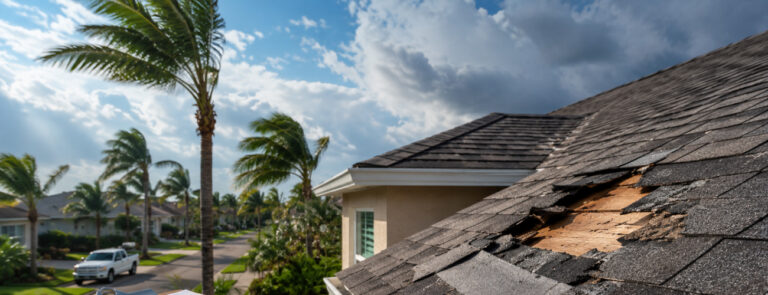
How to Prevent Roof Leaks in Florida Summer: 6 Essential Steps Every Homeowner Should Take
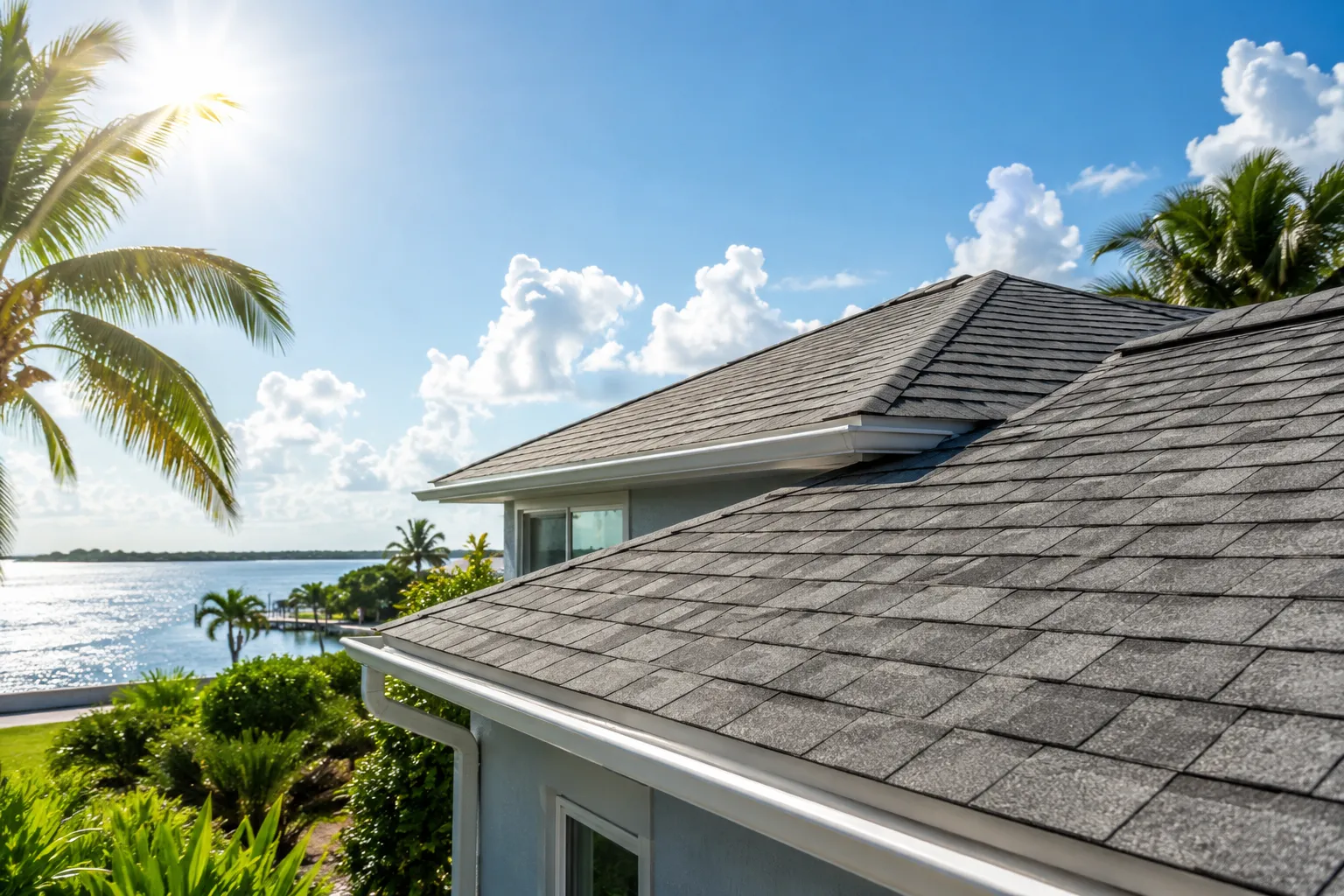
Knowing how to prevent roof leaks in Florida summer can save you thousands in water damage and emergency repairs. Florida’s combination of intense UV rays, daily downpours, and tropical storms creates some of the harshest roofing conditions in the country. At Bayside Roofing Professionals, we’ve spent more than 30 years helping homeowners and business owners across the Tampa Bay area protect their properties before storm season hits. Here are six essential steps we recommend to keep your roof watertight from June through October.
Why Florida’s Summer Weather Puts Your Roof at Risk
Florida summers deliver a triple threat to roofing systems: extreme heat, heavy rainfall, and high humidity. Each one damages your roof differently, and together they accelerate wear far beyond what homeowners in other states experience.
UV degradation is the first problem. Temperatures on a shingle surface can exceed 160°F during peak afternoon hours. That constant heat breaks down asphalt compounds, dries out sealant strips, and causes underlayment to become brittle over time. We see this regularly on roofs in Holiday, FL and surrounding communities where shade coverage is minimal.
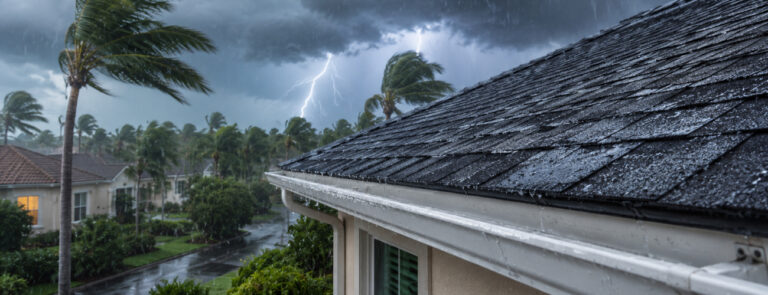
Afternoon thunderstorms are the second factor. Central Florida averages 80–100 days of thunderstorm activity per year, and most of that activity falls between June and September. Wind-driven rain forces water underneath lifted shingles, into flashing gaps, and around poorly sealed roof penetrations.
Humidity and thermal cycling round out the damage. Daytime expansion and nighttime contraction loosen fasteners and warp decking. Meanwhile, moisture-laden air enters the attic and condenses on cooler surfaces, leading to mold growth and rotted wood. If your attic feels like a sauna in July, your roof is paying the price.
Signs Your Roof May Already Be Leaking
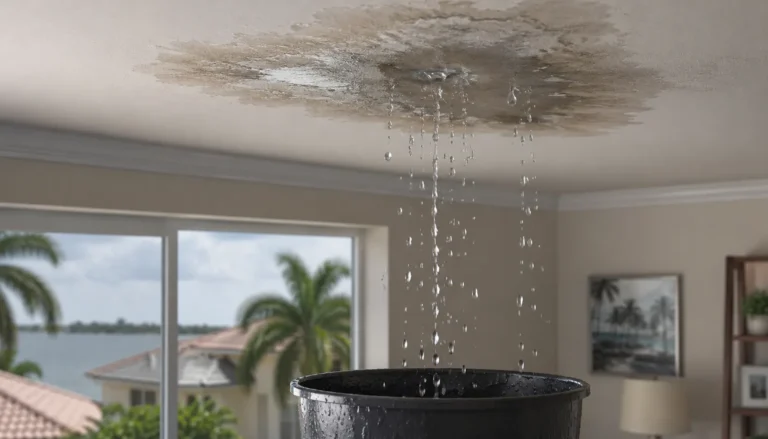
Many roof leaks go unnoticed for weeks or months. By the time water stains appear on a ceiling, the damage has often spread through insulation, drywall, and structural framing. Catching leaks early is one of the most effective ways to prevent roof leaks from becoming major repair projects.
Interior warning signs:
- Yellow or brown stains on ceilings and walls
- Musty odors in the attic, closets, or upper-floor rooms
- Peeling paint, bubbling drywall, or damp insulation
Exterior warning signs:
- Missing, cracked, or curling shingles or tiles
- Rusted, cracked, or lifted flashing around vents and chimneys
- Granule buildup in gutters (a sign shingles are deteriorating)
- Standing water on flat roof sections or a visible sag in the roofline
If you spot any of these issues, don’t wait for the next storm to confirm the problem. We offer free estimates and can perform a thorough leak detection inspection to identify the source before water damage spreads further.
Inspect and Repair Flashing Before the Rainy Season
Flashing repair is one of the most cost-effective ways to prevent roof leaks in Florida summer. Flashing consists of thin metal strips installed at transition points, where the roof meets a wall, chimney, vent pipe, skylight, or edge. These are the most common entry points for water.
Over time, Florida’s heat causes caulk and sealant around flashing to crack and separate. Wind lifts flashing edges, and rust eats through older galvanized steel. A single gap of 1/16 of an inch is enough to let water behind your roofing material.
We recommend inspecting all flashing in late spring, before the rainy season begins. Here’s what to look for:
- Chimneys and skylights: Check for lifted edges, cracked sealant, or visible rust.
- Vent pipes: Rubber boots around plumbing vents degrade quickly in UV exposure. Replace any that show cracking.
- Drip edge and fascia: Confirm the metal along your roof edges is tight and directing water into the gutter, not behind it.
As certified CertainTeed Master Craftsmen, we use heat-rated sealants and high-quality self-adhering flashing materials that withstand Florida’s extreme temperature swings. A proper flashing repair now can prevent thousands in interior water damage later.
Maintain Gutters, Shingles, and Roof Penetrations
Clogged gutters are a leading cause of roof leaks in Florida. When gutters fill with leaves, pine needles, and debris, water backs up under shingles and along the fascia board. During heavy summer rains, that backup can push water directly into your attic or wall cavities.
Clean gutters and downspouts at least quarterly during storm season. Make sure downspouts discharge water 4–6 feet away from your foundation to prevent pooling. If you have mature oak or pine trees near your roofline, common throughout Holiday and the Tampa Bay area, you may need monthly cleanings.
Shingle maintenance is equally important. Replace missing or damaged shingles immediately. A single missing shingle exposes the underlayment and decking to direct rain and UV, and that exposed area can fail within one storm cycle.
Roof penetrations deserve special attention. Every pipe, vent, satellite dish mount, or solar panel attachment is a potential leak point. Sealant around these penetrations dries out and cracks faster in Florida’s heat than in cooler climates. We check every penetration during our roof maintenance inspections and reseal or replace hardware as needed.
Improve Attic Ventilation and Waterproofing
Poor attic ventilation is a hidden cause of roof leaks that many homeowners overlook. Without proper airflow, heat and moisture get trapped in the attic space. That trapped moisture condenses on the underside of the roof deck, causing wood rot, mold, and premature shingle failure from below.
A balanced ventilation system uses soffit vents (intake) and ridge vents (exhaust) to create continuous airflow. Cool air enters at the eaves, absorbs heat and moisture as it rises, and exits at the ridge. This cycle keeps attic temperatures closer to outdoor ambient levels and dramatically reduces condensation.
We also recommend upgrading your waterproofing layers if your roof is more than 10 years old. Options include:
- Synthetic underlayment, more durable and moisture-resistant than traditional felt paper
- Elastomeric or reflective coatings, reduce surface temperature and extend shingle life
- Wind-rated materials, designed to resist uplift during tropical storms and hurricanes
At Bayside Roofing, we provide soffit and fascia repair alongside ventilation upgrades, so your attic breathes properly and your roof stays dry from both sides.
Schedule Professional Roof Maintenance in Tampa Bay
DIY inspections catch surface-level issues, but a licensed professional finds problems you can’t see from the ground. Roof maintenance in Tampa and the surrounding region should happen at least once a year, ideally in spring before hurricane season begins.
A professional inspection covers shingles, underlayment, fastener condition, flashing integrity, and attic ventilation. After any storm with winds exceeding 50 mph or visible debris impact, a follow-up inspection is essential.
We’ve served Clearwater, St. Petersburg, Tampa, Spring Hill, and communities throughout Pasco and Pinellas counties for three generations. Our owners personally oversee every project, and we hold both Roofing License #CCC1328720 and Building License #CBC1253998. We’re fully bonded, insured, and maintain an A+ BBB rating.
Scheduling roof maintenance before storm season is the single best investment you can make to prevent roof leaks in Florida summer. We provide free estimates, and our dedicated project managers keep you informed through every step of the process.
What to Do When a Leak Happens During a Storm
Even with solid prevention, Florida storms can overwhelm any roof. If a leak starts during a storm, your priority is protecting people and property inside the home, not climbing on the roof.
Take these steps immediately:
- Place buckets or containers under active drips.
- Move furniture, electronics, and valuables away from the affected area.
- Cover items you can’t move with plastic sheeting or tarps.
- If a ceiling section is bulging with water, carefully poke a small hole at the lowest point and drain it into a bucket. This prevents a larger collapse.
- Do not go on the roof during active lightning, wind, or rain.
Once the storm passes, document all damage with photos and video. This documentation is critical for your insurance claim. Then call a licensed roofer for emergency repair.
Bayside Roofing offers emergency roof repair services across the Tampa Bay area. We respond quickly after storms and can install temporary tarps to prevent further water intrusion until a permanent repair is completed.
Protect Your Roof Before Florida’s Next Storm
Preventing roof leaks in Florida summer comes down to preparation: inspect flashing, maintain gutters and shingles, improve ventilation, and schedule professional roof maintenance before the storms arrive. If you’re in Holiday, FL or anywhere in the Tampa Bay region, contact Bayside Roofing Professionals for a free estimate. With three generations of experience and lifetime warranties on materials, we help you stay ahead of the weather.