How to File a Roof Insurance Claim in Florida (Step-by-Step)
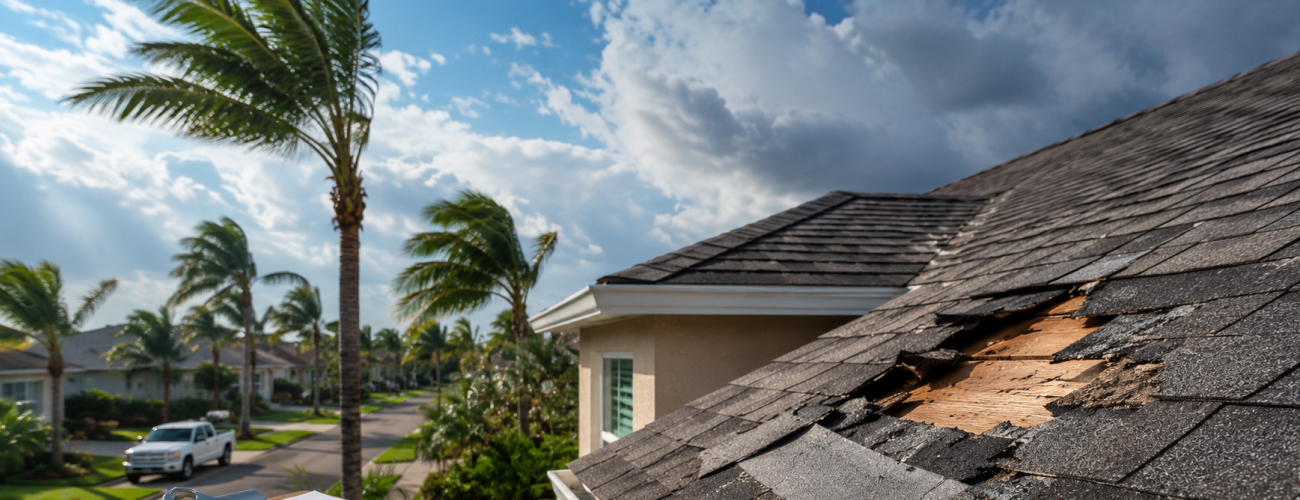
Filing a roof insurance claim in Florida can feel overwhelming after a storm tears through your shingles or sends a tree limb through your skylight. The good news? The process follows a clear path when you know the rules. At Bayside Roofing Professionals, we’ve guided Tampa Bay homeowners through claims for more than 30 years across three generations of family ownership. This 2026 guide walks you through each step, from documenting damage to handling a denial, so you can protect your home and your wallet.
Florida Roof Insurance Laws Every Homeowner Should Know
Florida law sets specific rules that shape how and when you can file a roof insurance claim. Senate Bill 76, passed in 2021, requires homeowners to notify their insurer within one year of the date of loss for an initial claim, and within 18 months for any supplemental claim. Insurers must acknowledge your claim within 7 days under Florida Statute §627.70131.
These deadlines matter. Miss them, and your claim can be denied outright, regardless of how legitimate the damage is.
The 25% Roof Replacement Rule Explained
The 25% rule comes from the Florida Building Code. If more than 25% of your roof is damaged within any 12-month period, the entire roof section typically must be brought up to current code, which often means a full replacement instead of a patch repair.
Recent legislative updates have softened this rule for roofs built or replaced after 2009 that already meet the 2007 code, but it still applies to many older Tampa Bay homes. Our project managers verify your roof’s age and code status before we file paperwork, so there are no surprises.
Filing Deadlines and Hurricane Deductibles
Hurricane deductibles work differently from standard deductibles. Instead of a flat dollar amount, you’ll pay a percentage of your dwelling coverage, usually between 2% and 5%. On a home insured for $400,000, that’s $8,000 to $20,000 out of pocket before coverage kicks in.
File promptly. While the legal window is one year, waiting invites backlogs, faded evidence, and disputes over whether the damage came from the named storm.
Document the Damage and Review Your Policy
Documentation wins claims. Before you call anyone, grab your phone and take dated photos and videos of every side of your roof from the ground, plus interior water stains, soffits, fascia, gutters, screens, and any debris. If you have pre-storm photos, pull those out too, they’re powerful proof.
Do not climb the roof. Falls are the leading cause of post-storm injuries in Florida, and an insurer can reduce your payout if they argue you caused additional damage during inspection.
Next, read your policy. Look for property damage limits, roof-specific exclusions, your hurricane deductible, depreciation terms (ACV vs. RCV), and whether code upgrade coverage is included. If the language confuses you, that’s normal, our team at Bayside Roofing reviews policies with Holiday and Clearwater homeowners every week at no charge.
Notify Your Insurer and Schedule a Professional Inspection
Call your insurance company within 24 to 72 hours of discovering damage. Have your policy number, the storm date, and a brief damage description ready. Ask for and write down your claim number, the adjuster’s name and contact info, and your confirmed deductible amount. Insist on an in-person inspection rather than a desk review or drone-only assessment.
Before the adjuster arrives, hire a licensed Florida roofing contractor to perform an independent inspection. We provide a written report with photos, measurements, and a line-item estimate. This document gives you leverage and a baseline to compare against the adjuster’s findings.
Avoid signing any Assignment of Benefits or contingency agreement that hands over your claim rights. As CertainTeed Master Craftsmen serving St. Petersburg, Tampa, and Spring Hill, we work directly for you, with transparent billing and no hidden assignment clauses.
Prepare for the Adjuster Visit and Review the Estimate
Have your contractor present during the adjuster’s visit. This single step changes outcomes. When two licensed professionals walk the roof together, missed damage gets caught, and disputes get resolved on site instead of through weeks of back-and-forth emails.
Walk the adjuster through everything: lifted shingles, cracked tiles, damaged flashings, soft decking, interior ceiling stains, and any soffit or fascia issues. Hand over your photo documentation and the contractor’s report.
Once you receive the insurer’s estimate, compare it line by line to ours. Check material costs, labor rates, depreciation (recoverable once repairs are complete with an RCV policy), and code upgrade allowances. If numbers come in low, we file a supplement with supporting documentation. Negotiation is normal in Florida claims, and a detailed paper trail almost always moves the needle.
What to Do If Your Claim Is Denied or Underpaid
A denial is not the end of the road. Florida law gives you several options, and most underpaid claims can be reopened with the right evidence.
Start by requesting a written explanation of the denial, then submit a supplemental claim with your contractor’s detailed estimate, photos, and any code upgrade requirements. Ask for a re-inspection with both your contractor and a new adjuster present. If the insurer still won’t budge, you can file a complaint with the Florida Department of Financial Services, hire a licensed public adjuster, or consult an attorney who handles first-party property claims.
Keep every email, voicemail, and letter. We’ve helped Tampa Bay clients overturn denials by producing dated inspection reports the original adjuster overlooked. Persistence and documentation, paired with a contractor who knows Florida code, almost always shift the outcome.
Your Next Step Toward a Fair Roof Claim Settlement
Filing a roof insurance claim in Florida rewards homeowners who move quickly, document thoroughly, and partner with a licensed contractor early. The rules are strict, the deductibles are steep, and the deadlines are unforgiving, but the system works when you follow it.
If your Holiday, Clearwater, or Tampa Bay home took a hit, request a free storm damage inspection from Bayside Roofing. We’ll document the damage, review your policy, and stand with you through every step.