How to Choose a Roofing Contractor in Florida: 10 Questions to Ask
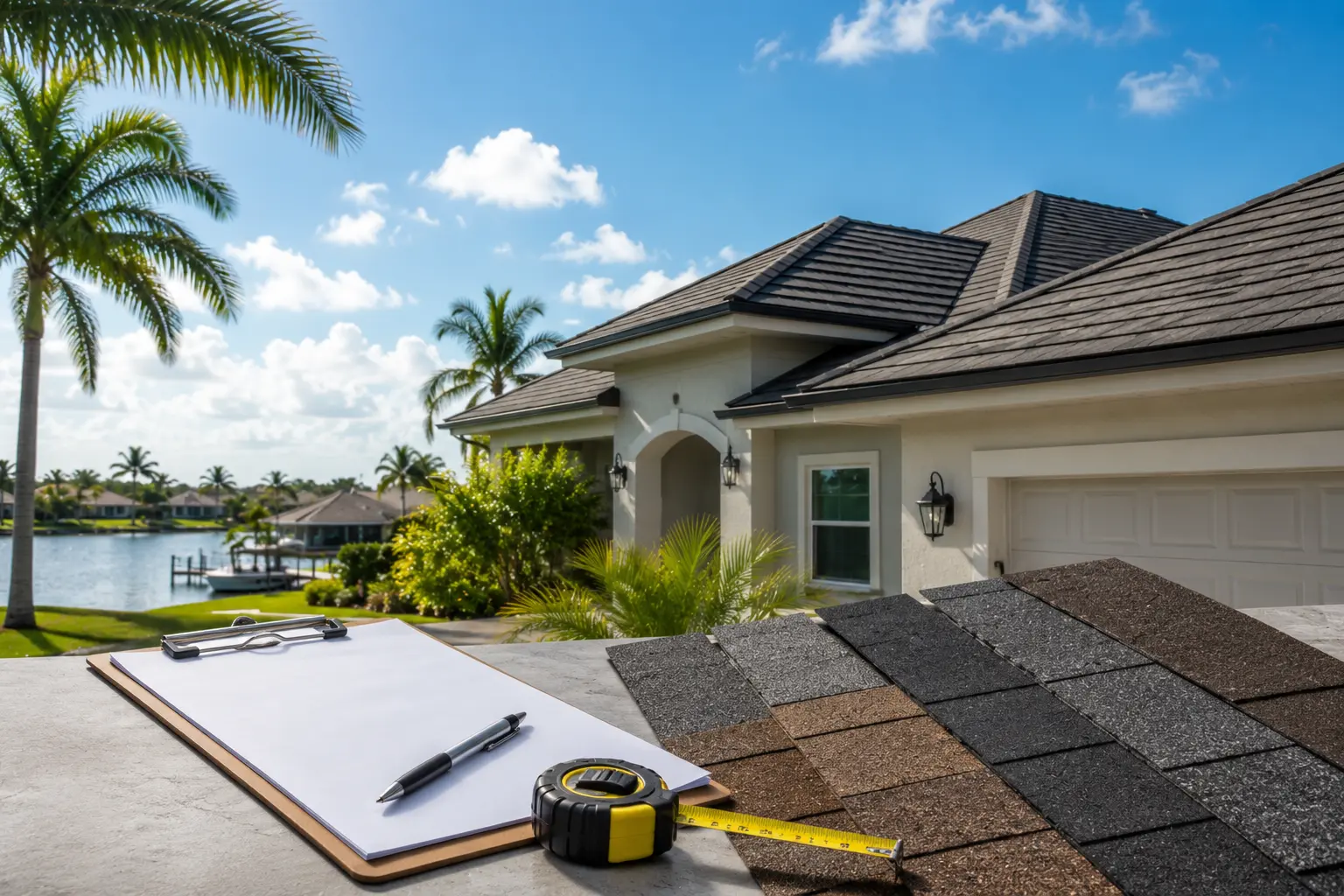
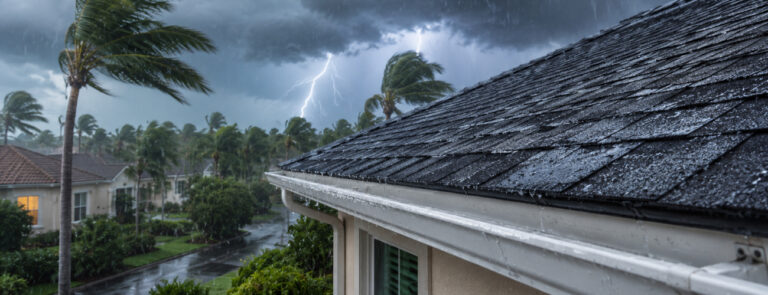
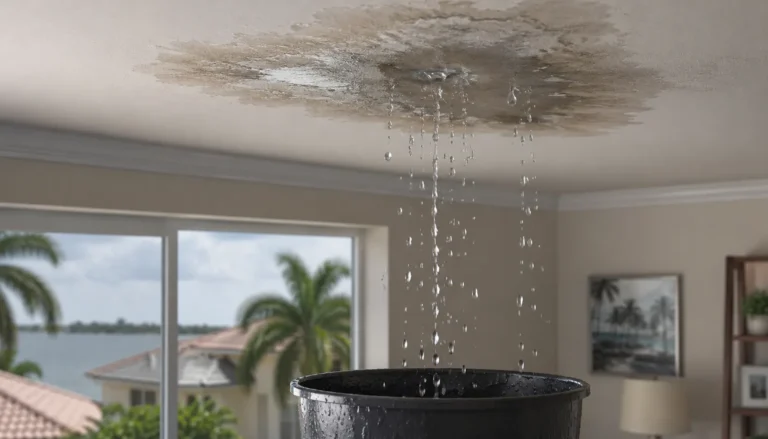
Our climate punishes roofs with hurricane winds, salt air, daily UV exposure, and afternoon downpours that test every seam and shingle. The wrong contractor can cost you twice, once for the bad install, and again for the repair.
At Bayside Roofing Professionals, we’ve spent more than 30 years working on roofs across the Tampa Bay area. This guide walks you through what to look for, what to ask, and which warning signs should send you elsewhere.
Why Florida Roofing Demands a Specialized Contractor
Florida roofs face conditions most of the country never sees. Sustained humidity, salt-laden coastal air, intense UV, and hurricane-force winds all shorten the lifespan of materials that perform fine elsewhere. A contractor who understands these factors will specify the right underlayment, fasteners, and ventilation for our climate.
The Florida Building Code is also stricter than national standards, especially in High-Velocity Hurricane Zones. Local contractors know which products carry Miami-Dade or Florida Product Approval numbers and which installation methods pass county inspection the first time.
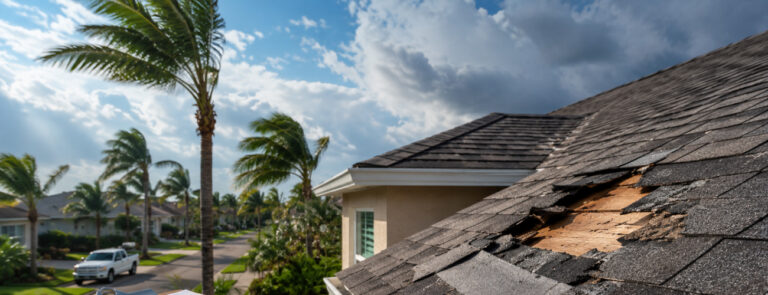
We’ve replaced plenty of roofs installed by out-of-state crews who used staples instead of ring-shank nails, or skipped peel-and-stick underlayment to save a few hundred dollars. Those shortcuts surface during the next named storm. A specialized Florida roofer builds for the weather we actually get.
Verify Licensing, Insurance, and State Credentials
Every legitimate roofing contractor in Florida must hold a state-issued license through the Department of Business and Professional Regulation (DBPR). You can verify any license in under a minute at the DBPR license search. If a contractor can’t provide a license number, walk away.
Ask for two types of insurance: general liability and workers’ compensation. Without workers’ comp, an injured crew member on your property can become your financial problem. Request a current Certificate of Insurance sent directly from the carrier, not a photocopy.
Bayside Roofing carries Roofing License #CCC1328720 and Building License #CBC1253998, full bonding, and insurance that exceeds OSHA safety requirements.
Evaluate Local Experience and Storm-Readiness
Years in business matter, but local years matter more. A contractor who has weathered Hurricanes Irma, Ian, Idalia, and Milton in the Tampa Bay region understands what fails first and how to build for the next storm. Ask how long the company has worked in your specific county.
Storm readiness also includes response time. After a major event, demand for tarping, leak detection, and emergency repairs spikes overnight. Established local crews already have material supply lines, insurance adjuster relationships, and trained teams ready to deploy across Pinellas, Pasco, and Hillsborough counties.
Three generations of our family have worked roofs from Clearwater Beach to Spring Hill. That history means we know which neighborhoods have older trusses, where wind uplift hits hardest, and which subdivisions still have original 1980s tile that needs careful handling during replacement.
Compare Warranties, Materials, and Manufacturer Certifications
Warranties come in two parts: the manufacturer’s coverage on materials and the contractor’s coverage on workmanship. Both matter, and weak coverage in either area can leave you exposed years down the road.
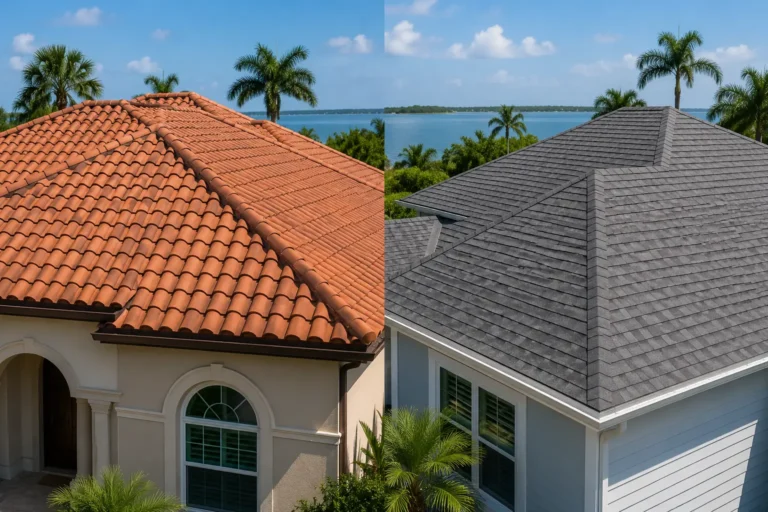
Manufacturer certifications signal training and accountability. CertainTeed Master Craftsman, GAF Master Elite, and Owens Corning Platinum Preferred are the three most recognized credentials in residential roofing. These certifications require ongoing education, insurance verification, and quality audits, and they unlock extended warranties unavailable to uncertified installers.
At Bayside, our CertainTeed Master Craftsman status lets us offer lifetime material warranties on qualifying systems, paired with our own workmanship guarantee. When comparing bids, line up the warranty terms side by side. A cheaper roof with a 5-year workmanship warranty often costs more over 20 years than a properly installed system backed for life.
Read Reviews, References, and Track Record
Online reviews tell part of the story. Check Google, the Better Business Bureau, and Angi for patterns, not just star ratings. Look for how a contractor responds to negative feedback, since that reveals more about character than the praise does.
Ask every contractor for three local references from jobs completed in the last two years. Call them. Ask whether the crew showed up on time, cleaned up the site, stayed on budget, and returned promptly for any callbacks. A contractor with nothing to hide will hand over references without hesitation.
We maintain an A+ BBB rating and encourage prospective clients to drive past recent projects in St. Petersburg, Tampa, and Holiday before signing anything. Seeing finished work in person beats any photo gallery.
Understand Estimates, Contracts, and Payment Terms
A proper roofing estimate is itemized. It should list the tear-off scope, underlayment type, shingle or tile product line and color, flashing details, ventilation, fastener type, cleanup, permit fees, and warranty terms. Vague one-page proposals leave room for surprise charges later.
Florida law caps the deposit a roofer can request, and reputable contractors structure payments around project milestones rather than demanding most of the money upfront. Be cautious of anyone asking for 50% or more before materials hit your driveway.
Our contracts spell out every line item, assign a dedicated project manager to your job, and bill transparently as work progresses. Owner oversight on every project means questions get answered by someone whose name is on the company, not a call-center script.
Red Flags to Avoid When Hiring a Florida Roofer
Storm-chaser crews appear after every major weather event. They knock on doors, push for same-day signatures, and often disappear before warranty claims surface. If a contractor isn’t locally established with a verifiable Florida address, treat that as a serious warning.
Other red flags include cash-only demands, pressure to sign before you’ve reviewed the contract, refusal to pull permits, license numbers that don’t match DBPR records, and quotes far below every other bid. Roofing has fixed material costs, an estimate 30% under the others usually means corners will be cut somewhere.
Finally, watch for contractors who ask you to sign an Assignment of Benefits handing your insurance claim over to them. That practice has caused enough abuse in Florida that the legislature restricted it in 2022. Keep control of your own claim.
Hiring the Right Roofer Protects Your Biggest Investment
Your roof is the single most important system on your property, and the contractor you choose determines how well it performs for the next 20 to 50 years. Verify credentials, demand transparency, and prioritize local experience over the lowest price.
If you’re ready for a free estimate from a family-owned team that has served Tampa Bay for three generations, contact Bayside Roofing Professionals today.