How to Find a Roof Leak After Rain: A Tampa Homeowner’s Guide
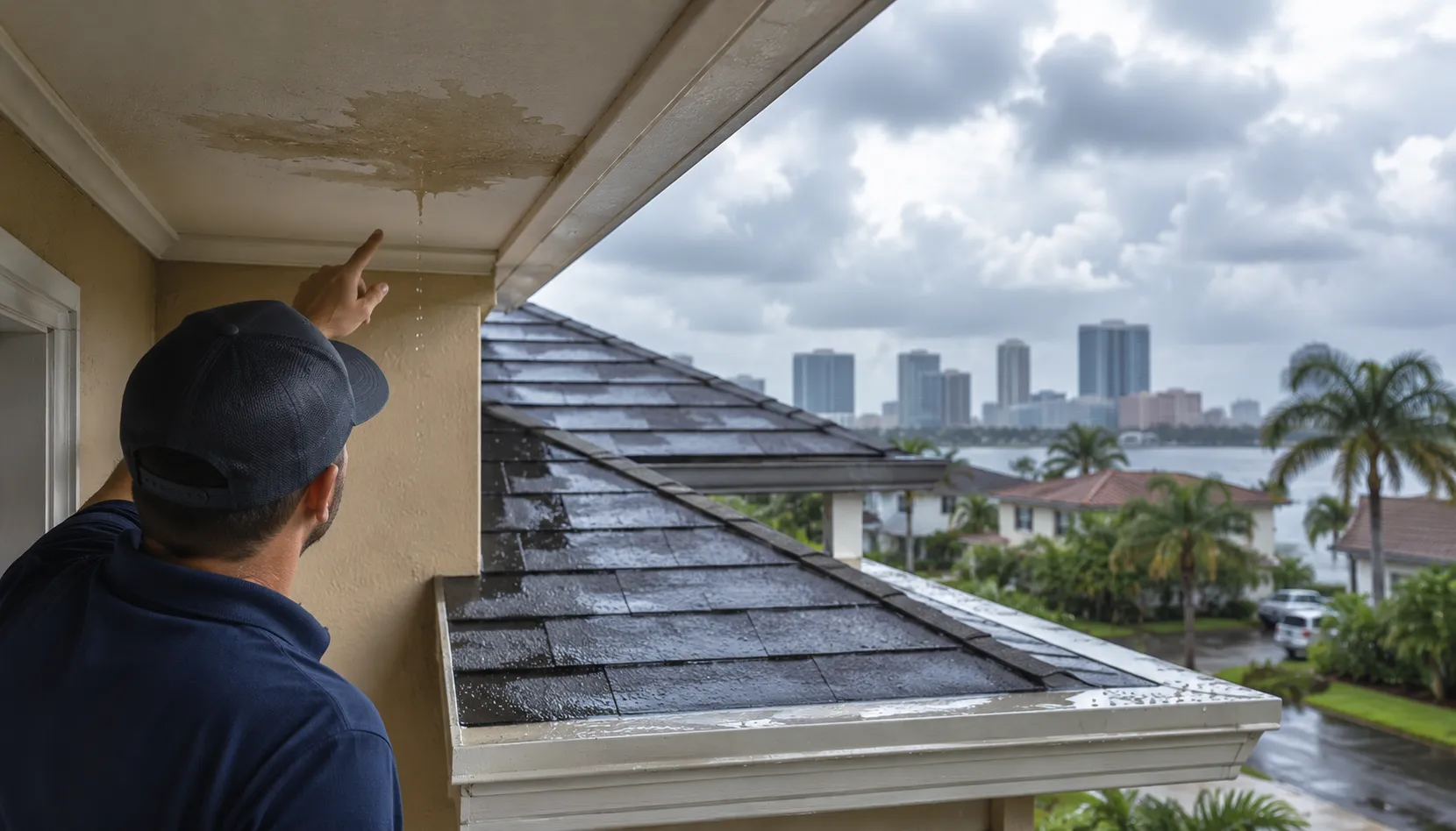
Knowing how to find a roof leak after rain can save you thousands of dollars in water damage and mold remediation. Florida’s intense storms push water into places most homeowners never think to check, under flashing, around pipe boots, and through hairline cracks in aging shingles. At Bayside Roofing Professionals, we’ve spent over 30 years helping homeowners and business owners across the Tampa Bay area track down and repair leaks before they become major problems. This guide walks you through the exact process we recommend, from safe preparation to identifying the source and knowing when it’s time to call in a professional.
Why Roof Leaks Are Common After Heavy Rain in Florida
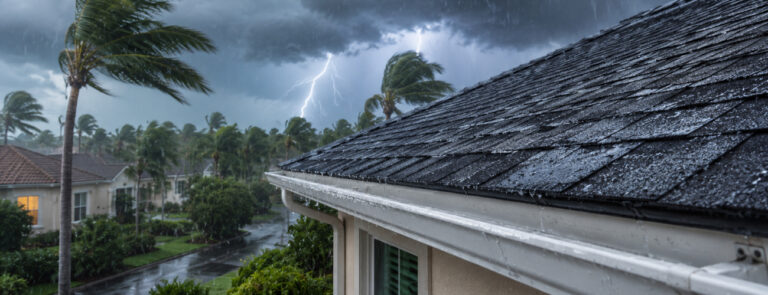
Florida’s weather is uniquely hard on roofs. Heavy, wind-driven rain doesn’t just fall straight down, it blows sideways, forcing water underneath shingles, into flashing seams, and around vent openings that stay dry during lighter storms.
Many homes in Holiday and throughout the Tampa Bay area feature low-slope or complex roof designs with multiple valleys, dormers, and penetrations like skylights and plumbing vents. Each of these creates a potential entry point for water.
High heat and constant UV exposure also accelerate shingle aging. Sealant strips lose adhesion, shingles crack and curl, and fasteners corrode. After years of this cycle, even a moderate rainstorm can expose vulnerabilities. Frequent hurricanes and tropical storms add cumulative stress to flashing, seals, and decking that may look fine from the ground but fail under pressure.
That’s why learning how to find a roof leak after rain is especially important here, our climate creates conditions that many roofing systems in other states simply don’t face.
Safety First: What to Do Before You Start Looking
Before you grab a flashlight and head to the attic, take a few precautions. Rain-related leaks often involve electrical hazards and slippery surfaces that can turn a simple inspection into a trip to the emergency room.
Wait for the storm to pass completely. Never go on your roof or into your attic during active lightning. Even after the rain stops, roof surfaces stay dangerously slick for hours.
Turn off electricity to any area where water is dripping near ceiling fixtures, outlets, or switches. Use your breaker panel to cut power to affected rooms.
If you plan to inspect the attic, wear non-slip shoes and gloves. Bring eye protection, wet insulation can release fibers and debris. Step only on joists or solid decking. Insulation and drywall between joists will not support your weight.
For any exterior inspection, use a stable ladder on level ground and have someone nearby. We always tell our customers: if the roof is steep, wet, or higher than a single story, stay on the ground and call a licensed contractor.
Check Your Attic for Water Trails and Stains
Your attic is the best place to start when you’re trying to find a roof leak after rain. Grab a bright flashlight and look for these signs:
- Wet or darkened decking and rafters. Fresh water leaves obvious dark patches on wood.
- Water trails or drip marks. Follow them upward to the highest wet point, that’s typically closest to the actual entry point on the roof surface.
- Matted, discolored, or wet insulation. Water travels along insulation before dripping down, so the stain on your ceiling may be several feet from the actual leak.
- Rusted nail tips. Nails that penetrate roof decking can rust and create tiny channels for water to enter.
- Musty or moldy odors. Even if you don’t see water, smell can indicate a slow, hidden leak.
During daylight hours, turn off your flashlight and look for small beams of light coming through holes or gaps in the decking. Any visible daylight means water can get in too.
One important detail: water rarely drips straight down. It runs along rafters and sheathing, sometimes traveling several feet before dropping. Trace every trail to its highest point before assuming you’ve found the source.
Inspect the Exterior for Damaged Shingles, Flashing, and Seals
Once you’ve identified a general area from inside the attic, inspect the corresponding section of your roof’s exterior. You can do a lot from the ground with binoculars or a phone camera with zoom.
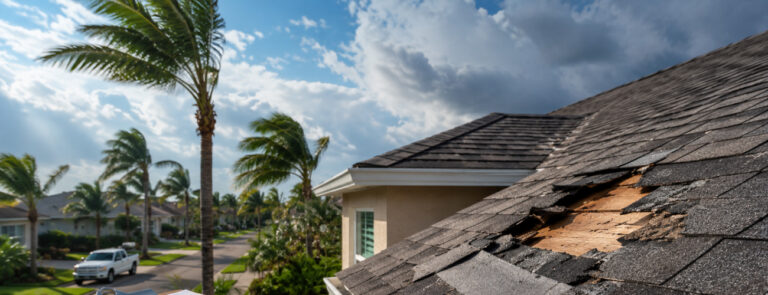
Look for missing, curled, cracked, or lifted shingles. Even one missing shingle can let water reach the underlayment and decking during heavy rain. Check metal flashing around chimneys, vents, skylights, and roof valleys, loose, bent, or missing flashing is one of the most common causes of roof leaks after rain.
Pay attention to rubber pipe boots around plumbing vents. These deteriorate faster than most homeowners realize, cracking and pulling away from the pipe within 8–12 years in Florida’s climate.
Also check your gutters and downspouts. Clogged gutters cause water to back up under the roof edge, soaking fascia boards and finding paths into soffits. On flat or low-slope sections, look for standing water, it should drain within 48 hours.
Common Trouble Spots That Are Easy to Overlook
Some leak sources hide in plain sight. Roof valleys, where two roof planes meet, collect heavy water flow and are prone to seal failure. Step flashing along walls where the roof meets vertical siding is another frequent culprit.
Chimney corners, satellite dish mounts, and skylight frames all create gaps that expand and contract with temperature changes. Over time, the sealant around these features dries out and cracks.
Don’t ignore “popped” nails, fasteners that have worked their way up through shingles due to thermal cycling. A single popped nail can let water in every time it rains. We see this constantly on roofs that are 15 years or older across the Holiday and Clearwater areas.
What to Do Once You Locate the Leak
Finding the leak is half the battle. Here’s what to do next to minimize damage while you arrange a permanent repair.
Inside your home, place buckets or tarps under active drips. If you notice a bulge forming in a ceiling, the drywall is holding trapped water. Use a small screwdriver to puncture the center of the bulge over a bucket, this relieves pressure and prevents a larger ceiling collapse.
For temporary exterior protection, cover the damaged area with a heavy-duty tarp secured with weights or boards. Avoid nailing through the tarp into your roof if possible. And don’t rely on caulk as a permanent fix, it seals the surface temporarily but won’t stop water that’s entering through a failed flashing joint or cracked underlayment.
Once the source is repaired, remove and replace any wet insulation. Saturated insulation loses its R-value and becomes a breeding ground for mold.
Document everything. Take photos and video of interior stains, drips, and any visible roof damage. This documentation is critical for homeowner’s insurance claims, especially after named storms in Florida. Your insurance adjuster will want to see evidence of the damage before and after repairs.
When to Call a Professional Roofing Contractor
Some roof leaks are straightforward. Many are not. Call a licensed roofing contractor if:
- You can’t safely access your attic or roof.
- You see widespread shingle damage, sagging decking, or structural concerns.
- The leak is near a chimney, skylight, or area with complex flashing.
- Water has reached electrical fixtures or spread to multiple rooms.
- You suspect the damage is storm-related and may involve an insurance claim.
Florida building codes include specific requirements for wind-driven rain resistance that general contractors may not be familiar with. A roofing specialist who understands local code, and has experience with hurricane-related repairs, will identify problems that others miss.
At Bayside Roofing Professionals, our owners personally oversee every project. We’re certified CertainTeed Master Craftsmen, fully licensed (Roofing #CCC1328720, Building #CBC1253998), bonded, and insured with an A+ BBB rating. We’ve served the Tampa Bay region for three generations, and we offer free estimates for leak detection, storm damage inspections, and full roof repairs.
If you’ve found a roof leak after rain and aren’t sure about the extent of the damage, don’t wait. Water damage compounds quickly in Florida’s humidity. Contact us for a no-obligation inspection, we’ll give you an honest assessment and a clear path forward.