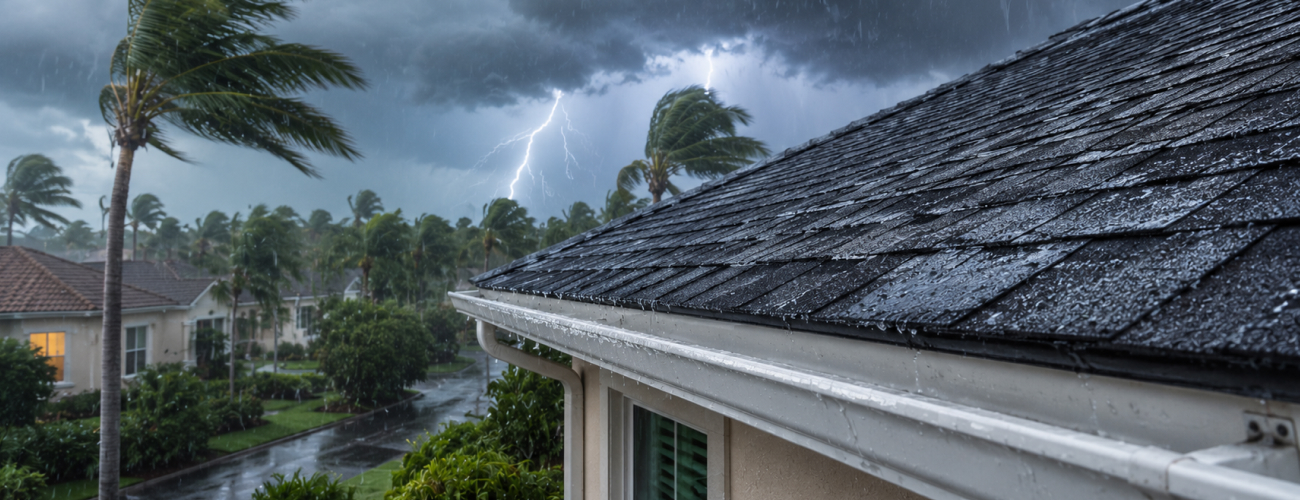
How to Prevent Roof Leaks During Florida’s Summer Storm Season
If you’ve lived through even one Florida summer, you already know the drill: blue skies at noon, monsoon at 3 p.m., and humidity that won’t quit. Learning how to prevent roof leaks in Florida summer is less of a nice-to-have and more of a survival skill for Tampa Bay property owners. At Bayside Roofing Professionals, we’ve spent three generations protecting homes and businesses across Holiday, Clearwater, St. Petersburg, and Tampa. This guide shares what we’ve seen on real roofs, what actually works, and when it pays to bring in a pro.
Why Florida Summers Are Brutal on Your Roof
Florida summers punish roofs in ways most building materials weren’t originally engineered for. We deal with intense UV exposure, daily heat above 90°F, humidity that rarely drops below 70%, and afternoon thunderstorms that can dump two inches of rain in under an hour. That combination is the perfect recipe for failure.
On asphalt shingles, UV rays cook the oils out of the asphalt. Shingles get brittle, lose their protective granules, and start to curl. We see this constantly on south-facing slopes across Pinellas and Pasco County homes. Sealants around flashing crack from thermal expansion as roofs heat up past 150°F and cool down again overnight.
Then there’s the biology. Warm, damp conditions feed black algae streaks, moss, and mildew, which trap moisture against the roof deck. Inside the attic, poor ventilation lets humid air condense on rafters, leading to wood rot and surprise leaks that often get blamed on rain when the real culprit is your own attic.
Early Warning Signs of a Summer Roof Leak
Most roof leaks announce themselves long before water hits your living room ceiling. Catching these early signs is the difference between a $300 repair and a $15,000 replacement.
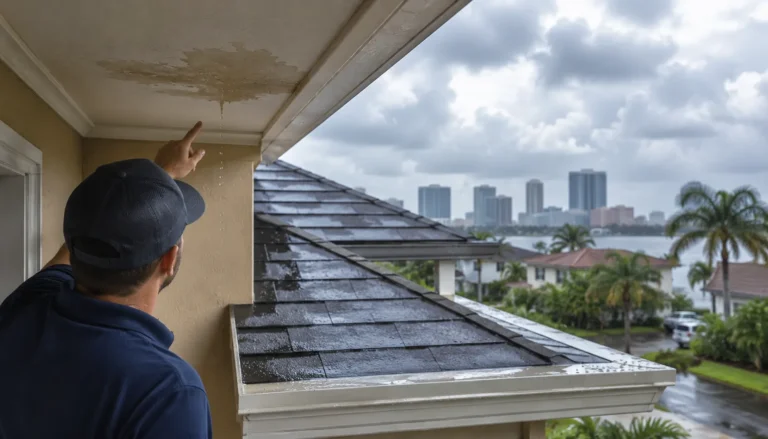
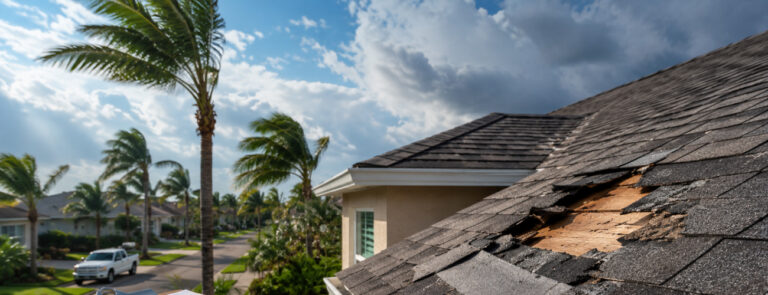
Walk your property after storms and look up. Missing shingles, lifted edges, and cracked tiles are obvious red flags. Inside, check ceilings and upper walls for yellow or brown water stains, even small ones. A musty smell in closets or the attic almost always points to trapped moisture.
A few less obvious signs we tell our Tampa Bay customers to watch for:
- Black sand-like granules collecting in gutters or at downspout exits (your shingles are shedding their UV armor).
- Rusted or cracked flashing around chimneys, plumbing vents, and skylights.
- Sagging spots on the roofline visible from the curb.
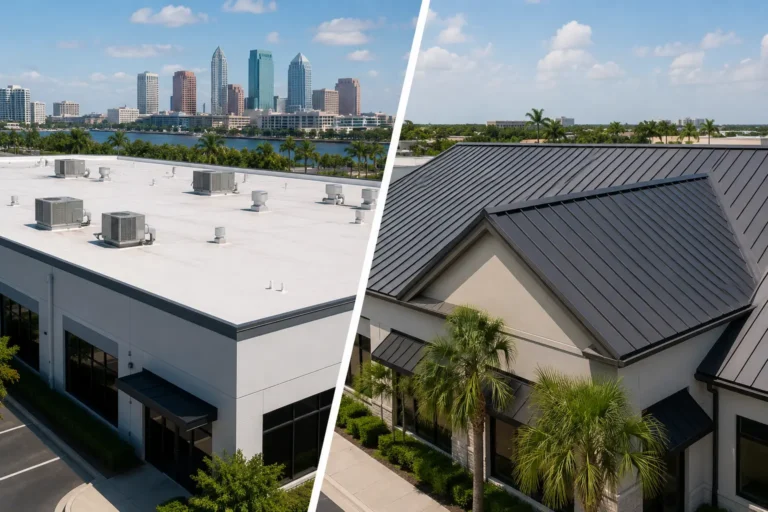
- Standing water on flat commercial roofs 48 hours after a storm.
If you spot any of these, don’t wait for the next downpour to confirm the problem.
Essential Pre-Season Maintenance to Stop Leaks Before They Start
The best leak repair is the one you never need. Before hurricane season ramps up in June, we recommend a professional inspection that covers shingles, underlayment, fasteners, and attic conditions. Trim back oak and pine branches that scrape the roof in high winds, and clear any debris that’s collected in valleys.
For older homes near the coast, applying a UV-reflective coating or upgrading to a waterproof synthetic underlayment during your next replacement adds years of life. Annual cleaning also matters, but skip the pressure washer. High pressure strips granules.
Clear Gutters, Downspouts, and Drainage Paths
Clogged gutters are the leading cause of preventable roof rot we see in Spring Hill and Holiday. When water can’t drain, it backs up under the shingle edge, soaks the fascia, and finds its way into the attic. Clean gutters at least quarterly during summer, more often if you have nearby trees.
Make sure downspouts extend at least four feet from the foundation. On flat or low-slope commercial roofs, check scuppers and internal drains for ponding water, which adds dangerous weight load and accelerates membrane breakdown.
Inspect and Reseal Flashing, Vents, and Penetrations
Flashing fails before shingles do. The metal strips and sealant around chimneys, plumbing stacks, HVAC curbs, and skylights take the worst of the thermal cycling. We reseal with weather-resistant polyurethane caulk or self-adhering flashing tape rated for high-heat applications.
Don’t forget attic ventilation. Balanced soffit and ridge venting pulls humid air out before it condenses, which is one of the most overlooked leak prevention steps in Florida construction.
Storm-Proofing Your Roof for Hurricane Season
Tampa Bay sits in one of the most active hurricane corridors in the country, and wind-driven rain finds weaknesses that ordinary storms miss. Storm-proofing starts with making sure every shingle, tile, and edge is anchored down.
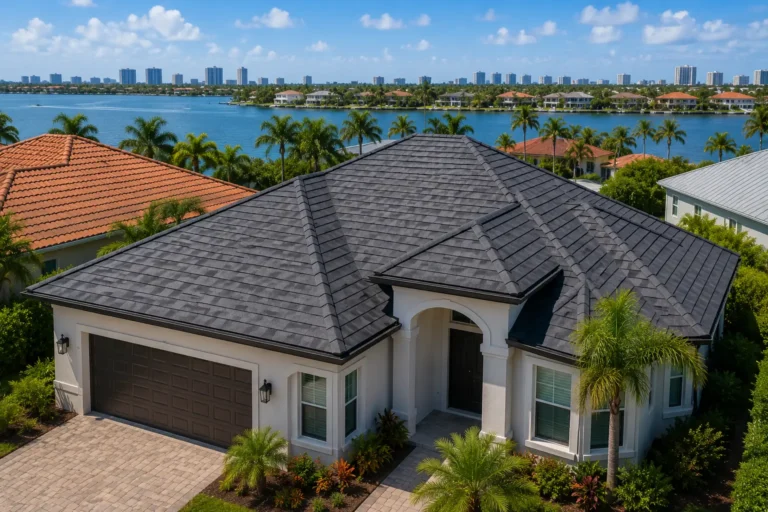
We install hurricane clips and straps where code allows, and we recommend wind-rated metal or concrete tile systems for properties looking for 130+ mph protection. Drip edge metal, ridge caps, and gable ends should be re-fastened or upgraded if they’re more than ten years old.
Before a named storm, clear loose objects from the roof and yard, secure any solar equipment, and photograph your roof for insurance documentation. As certified CertainTeed Master Craftsmen, we install systems backed by lifetime material warranties, so our customers head into hurricane season with real coverage, not just hopes.
When to Call a Professional Tampa Bay Roofer
Some roof issues are DIY-friendly. Most aren’t. Call a licensed Tampa Bay roofer after any storm with winds over 50 mph, after you spot interior water stains, or if your roof is more than 15 years old and hasn’t been inspected recently.
Professionals catch what homeowners miss: nail pops under shingle tabs, hairline cracks in tile, underlayment failure, and hidden attic moisture. At Bayside Roofing, owners personally walk every project, and our dedicated project managers keep you informed from inspection through final invoice.
We’re fully licensed (CCC1328720, CBC1253998), A+ rated with the BBB, and we offer free estimates across Holiday, Clearwater, St. Petersburg, Tampa, and Spring Hill. Catching a leak early almost always costs less than fixing the damage it leaves behind.
Keeping Your Tampa Bay Roof Dry All Summer Long
Florida summers will keep testing your roof, but consistent maintenance, smart upgrades, and quick action on warning signs keep leaks out of your home or business. Inspect early, clean often, and don’t ignore the small stuff. When you need experienced eyes on the roof, our family-owned team at Bayside Roofing has protected Tampa Bay properties for over 30 years, and we’d be glad to do the same for yours.