8 Roof Types for Commercial Buildings
Homeowners looking for commercial roofing systems have several options. The best option will depend on certain aspects of your building’s design and needs.
Commercial buildings often have more challenges coming against them than typical homes. Roofs that have chemical exposure, residues, or exhaust frequently break down more quickly than roofs that are only exposed to natural substances.
Research what types of ventilation systems your commercial buildings have before proceeding with the roof choice. Also, your local weather is a big consideration when choosing a roof system. Everyone wants a cost-effective, low-maintenance roof. However, if your area has wind, hurricanes, or rain, invest in a roof that will stand the test of time.
These 8 roof types of commercial buildings range from metal to asphalt shingles, EPDM, and spray polyurethane foam. Familiarity with these common roof types will guide you to making the best choice for your new roofing system.
1. Metal Roofing
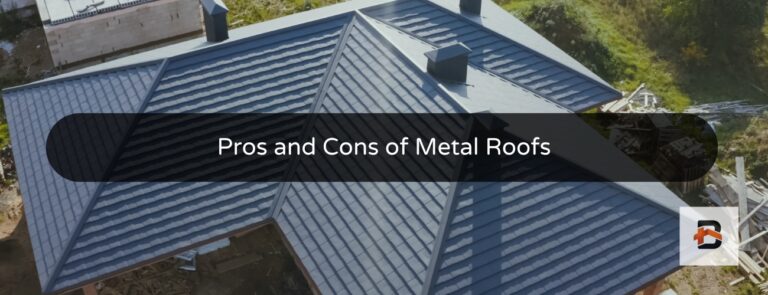
Metal roofing materials are strong, reliable, and weather-resistant. Homeowners looking for commercial roofing options in the Tampa, Florida area choose this roofing material for its longevity and durability in our hot, humid, and storm-prone climate.
Metal roofing material has seen improvements through the years, making it a strong choice for commercial roofing systems. Research shows that metal roofing is one of the few major roofing materials that will increase in demand in 2026.
Metal roofs used to dent easily, but now are highly dent-resistant to hail. They are often rated Class 4 under the UL 2218 impact resistance standard. Very large hailstones can dent the roof, depending on several factors, including:
- Metal thickness
- Slope
- Panel designs
- Presence of a solid roof deck
Dents are usually cosmetic and do not compromise the roof’s structural integrity. Most hailstorms produce small hailstones, which do not pose a large threat to properly installed metal roofs.
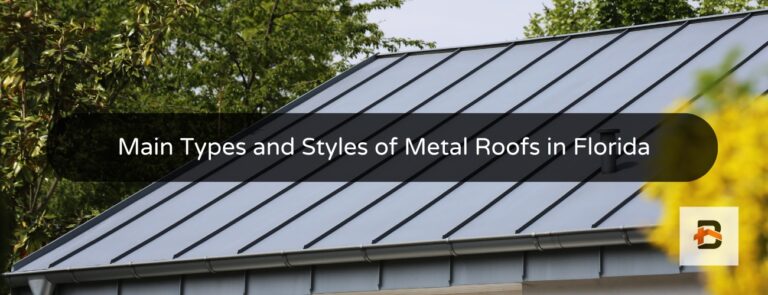
Metal roofing materials range from aluminum to zinc, tin, and steel. They are not ideal for flat roofs as they need a slope for proper drainage. There are many benefits to choosing metal for your commercial roofing, including:
- Lifespans of 40-70 years or more, depending on the specific metal used
- High energy efficiency
- Lightweight, which reduces structural load on the building
- Fast installation
- Minimal maintenance
- Customizable
Metal roofs have a proven track record of exceptional longevity, durability, and weather resistance. However, it is important to have them installed correctly. Look for a reliable company that serves its clients with integrity, uses trusted, high-quality materials, and adheres to industry standards as well as local building codes.
2. Asphalt Shingle Roofing
Asphalt shingle roofing material is a cost-effective choice for smaller commercial buildings. Look for high-quality asphalt shingle options from reputable manufacturers like CertainTeed. These superior shingles provide better wind protection and curb appeal, and have a longer lifespan than cheaper-grade shingles.
There are many benefits to choosing a shingle roof system for your commercial roof, including:
- Wind and impact resistance to protect against Florida’s frequent storms and high winds
- Heat reflectivity, which protects against Florida’s high heat and lowers cooling costs
- Algae resistance, which keeps the roof looking clean
- Cost effectiveness
Before choosing an installation company, make sure you are aware of Florida’s roofing underlayment requirements. These laws will impact the roof installation process.
3. EPDM Roofing
Ethylene propylene diene monomer (EPDM) roofing is a synthetic rubber roofing membrane used for buildings with flat or low-slope roofs. This type of single-ply membrane is another common choice for commercial roofing systems.
EPDM comes in different thickness options. The higher the thickness, the longer the warranty.
There are many benefits to choosing an EPDM roof system for your commercial flat roofing needs, including:
- Excellent longevity, lasting up to 40 years or more
- Cost-effective and energy-efficient
- Low maintenance costs
- Recyclable, making it an eco-friendly choice
- Easier installation due to larger or longer rolls, reducing the number of seams
- Weather-resistant, perfect for Florida’s extreme weather
- Low maintenance requirements, including occasional cleaning and yearly professional inspections
- Fire resistant
- Versatility for both flat roofs and low-slope commercial roofing systems
- Noise reduction due to the material absorbing sound from rain or other outside noises
4. Modified Bitumen Roofing
Modified bitumen roofing (“mod bit”) is an asphalt-based roofing solution traditionally used on commercial buildings with flat or low-slope roofing. This type of roof system is made by mixing alternating layers of bitumen-like asphalt or coal tar. These layers are then adhered together with certain fabrics like fiberglass or felt to form a solid, water-tight boundary.
Modified bitumen roofing is typically finished with a protective surface layer of a gravel-type substance or a reflective layer to protect from UV rays.
A modified bitumen roof system does occasionally require a reapplication of protective coating for a better long-term outcome. This material is also not always cost-effective, as it requires several layers of materials over the entire roof, resulting in a higher cost.
There are several benefits of choosing a modified bitumen roof system, including:
- Strong durability
- High tensile strength
- Weather resistant
Plan for higher indoor cooling costs if using uncoated black mod bit membranes, as they absorb a lot of heat. You can add protective coatings or a granulated service to help solve this problem. However, it will add to your initial installation costs.
5. PVC Roofing
PVC roofing is a single-ply membrane made from polyvinyl chloride. It is used for commercial or residential flat roofs and low-sloped roofs, and is known for its durability and flexibility.
These commercial roofing materials can be installed mechanically, fully adhered, or ballasted. If properly installed and maintained, this industrial roofing material typically lasts between 20-30 years.
There are several benefits to choosing PVC roofing for your commercial roofing project, including:
- Durability
- Low maintenance, in addition to a yearly inspection and periodic cleanings
- Waterproofing due to its watertight seal
- Fire resistant
- Resistant to chemical exposure
- Installment versatility
PVC may have a higher upfront cost in comparison to other types of commercial roofing systems, like EPDM or asphalt shingles. PVC may also experience minor shrinkage over time, which causes problems with the seams if not handled correctly.
6. Green Roofs
Green roofs have vegetation and a growing medium, all planted over a waterproofing membrane. This layer can include a root barrier, drainage system, and irrigation options. Green roofs are also called living roof systems, eco roofs, or vegetated roofs.
Green roofs are classified into three main types, including:
- Extensive
- Semi intensive
- Intensive
These classifications are based on depth of growing medium, type of plant selection, maintenance needs, and structural load.
Extensive green roofs feature a shallow growing medium and low-growing plants, and require minimal maintenance.
Intensive green roofs entail a lot more maintenance as the growing medium is thicker, allowing for much larger plants, including bushes and trees. These intensive green roofs are able to double as rooftop gardens, bringing both functionality and beauty to the building.
A semi-intensive green roof system falls in between these two options in regard to soil depth and the amount of maintenance needed.
There are several benefits to choosing a green roof system, including:
- Energy efficiency
- Stormwater management
- Urban heat island mitigation
- Improved air quality
- Noise reduction
- Possible property value increase
Proper installation of green roofs makes all the difference because if the waterproofing or drainage layers are improperly installed, water can accumulate and lead to water damage or leaks.
Know your building’s needs before installing a green roof. The structural load should be assessed before the weight of the soil and vegetation is set in place.
7. BUR Roof
A built-up roof (BUR) is a system with multiple layers. Alternating layers of asphalt or coal tar are layered over the entire roof with fiberglass or polyester ply sheets. A BUR roof is a very tough barrier and easily recognizable by its gravelly pebbly appearance. It is usually used on low-slope or flat roofs.
This layering and melding of materials over the roof makes for a durable and unpenetrable barrier. Even if the top layer is damaged, the next layers will guard from leaks. Protective coatings are put over the top layer to provide a final seamless covering that also protects from foot traffic and UV rays.
There are several benefits to choosing a BUR roof system, including:
- Durability
- Waterproofing
- Fire resistance
- Redundancy and protection
BUR roofs are traditionally applied using the hot-tar method. This method requires the asphalt or coal tar to be heated above 400 degrees Fahrenheit to a liquid state. It is then applied in layers over the roof. This installation process can be messy and time-consuming, cause strong odors, and pose a fire threat if not handled professionally.
8. Spray Polyurethane Foam
Spray polyurethane foam is a seamless, lightweight, durable roofing system applied by spraying a liquid mixture of isocyanate and polyol that expands to a rigid foam. This foam is both highly insulating and waterproof. This SPF is sensitive to UV radiation, so it needs a protective coating to ensure a long lifespan.
There are several benefits to choosing spray polyurethane foam for your commercial roofing needs, including:
- Superior thermal insulation
- Light weight
- Long lifespan
SPF roof applications require semi-annual inspections as well as top recoating to keep UV radiation to a minimum. Take note that outdoor temperatures need to be at least 50 degrees Fahrenheit for installation. The roof will need to be clear of any ice, frost, or moisture to be installed correctly.
Commercial Roofing Done Right
Building owners want to ensure their livelihood is protected from the weather, rain, and wind in a cost-effective and durable manner. Commercial roofing requires proper assessment, consultation, and installation.
Research these commercial roofing options for durable, weatherproof, and quality solutions. Metal roofs are a great choice for the hot, humid Florida climate. An EPDM roof is an energy-saving choice for a flat or low-sloped roof, and shingle roofing is a cost-effective option for smaller commercial buildings.
If you have a commercial roofing need, it is important to choose the best option for your needs. Look for a roofing contractor who has a trustworthy name in the business and uses high-quality name-brand materials.