Roof Damage From Trees & How It Should Be Repaired
If you experience roof damage from a fallen tree, it’s important to get it assessed and fixed as soon as possible. Florida has many perks, including its beautiful vegetation. During hurricane season, however, large trees pose serious risks to your home.
A falling tree often damages your roof in seconds. Roof damage compromises your safety and can be costly to repair. Here’s what you should do if a tree falls on your roof:
Steps to Take if a Tree Hits Your Roof
If a tree falls on your home, don’t panic. Do act quickly, responsibly, and carefully.
- Ensure that everyone is safe: Take a headcount of everyone in your family if you are inside your home when a tree hits your house. Look for evacuation routes, hold hands with the members of your household, and slowly walk out of the house.
- Call 9-1-1: After everybody safely exits the house, call 9-1-1 or your local authorities to report the structural damage. You should also report any damage to power lines from the fallen tree.
- Call an emergency roof repair team: Time is of the essence with roof repairs. After speaking with authorities, call an expert roofing team to handle the damage. If you live in the Tampa Bay area, call expert Tampa roofers to assess the damage and prevent any further risks to your property.
- Take photos for your insurance company: Take photos from a safe distance outside the house, and inside only if it is safe to do so. You will need these photos for evidence when making an insurance claim.
- Contact your insurance provider: Don’t wait; file your claim as soon as possible. Most insurance companies will send a contractor to estimate the damage and evaluate how much coverage they can provide.
- Don’t attempt DIY repairs: Refrain from making any repairs yourself. Even minor damages could lead to serious structural issues and are better handled by experts. Contact a professional roofing company for a full inspection and assessment of hurricane or weather-induced roof damage.
How Roof Damage From a Fallen Tree Is Repaired
The repairs needed after roof damage from a fallen tree depend on the nature of the damage:
Mild Roof Damage and Repairs
The following are indicators of mild roof damage:
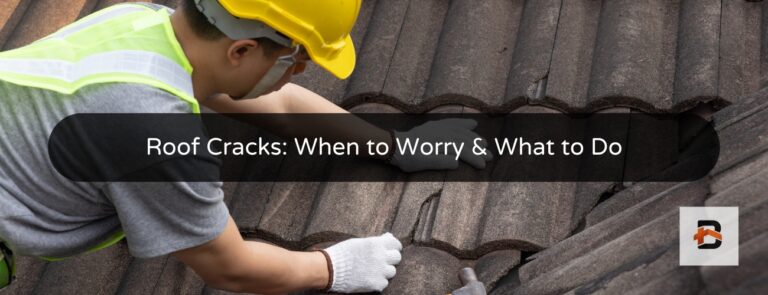
- Shingle dents, roof cracks, punctures, or scrapes
- Accumulated tree debris
- Cracked flashing
- Broken gutters
Repairs for mild damage may involve replacing shingles or flashing, and sealing small holes where branches or tree parts have pierced the roof. The process could take one to two days, and more if moderate or severe damage has taken place.
Moderate Roof Damage and Repairs
Moderate roof damage may look like:
- Significant damage to shingles, flashing, and gutters
- Water leaks and stains on your walls or ceiling
- A branch or tree that has pierced through your roof’s membranes
Repairs often include fixing or replacing the roof underlayment to prevent water from seeping into your home. The outer roofing materials can then be repaired or replaced. This level of repair work typically takes around three to seven days.
Severe Roof Damage and Repairs
Severe damage may look like:
- A fully collapsed roof section or an entire tree fallen on your home
- Damaged structural supports and broken framing
- Major puncture point(s) from a tree that has torn through roof membranes and materials
A full roof replacement may be required in these instances. Schedule a thorough roof inspection to pinpoint all of the damage incurred. The repair time for severe damage could take as long as one to three weeks.
Cost of Roof Repairs or Replacement in Florida
Roof replacement costs in Florida typically fall anywhere between $9,000 and $15,000. However, these figures don’t take into account the multiple factors that influence the overall cost of full roof replacement.
The cost of repairing your roof in Florida will vary depending on the following factors:
- The severity of your roof’s damage
- Whether you will need to replace your entire roof
- Your roof’s square footage
- The slope of your roof
- Local labor costs
- Roof accessibility
- Roofing materials
Will Insurance Cover Roof Damage From a Fallen Tree?
In Florida, your insurance will potentially cover some or all of the costs that will be needed to repair a roof damaged by a fallen tree. Luckily, many standard insurance policies will cover roof damage from a fallen tree, but only under the following conditions:
Roof damage may be covered when:
- The tree was otherwise healthy and well-maintained before the incident.
- The damage affects structural components, putting human lives at risk.
- A tree fell on the roof due to vandalism or theft.
- A tree fell on the roof due to an aircraft or a vehicle accident when the vehicle was not owned by the resident.
- The tree fell on the roof due to an extreme weather event, such as a hurricane, tornado, or other natural disaster beyond the individual’s control.
Roof damage may not be covered when:
- A tree fell on the roof because it was diseased, rotting, or mistreated by the homeowner.
- A tree fell on the roof and did not cause any damage to the home. In this case, the property owner must usually cover the costs of tree removal. In rare instances, insurance might pay if a fallen tree is obstructing a driveway or a property’s entrance.
- If either your neighbor or you knew that the tree’s health was in bad condition before the fall, the liability will generally fall on the party who was aware of the danger.
Important: Insurance policies vary as far as what they will and won’t cover. Always read the fine print before signing up, ask questions, and have a backup plan for dealing with emergency situations, such as savings or a credit card.
Preventing Roof Damage From Trees
Preventing roof damage from trees is the best way to minimize potential insurance claims and protect your savings.
Safeguard your roof from fallen trees with the following regular maintenance practices:
- Trim tree branches: Check for branches that overhang, skim, or add weight to your home’s roof. Trim these branches and make sure that the trees located on your property are at least six to ten feet from your home’s roof.
- Remove rotting or deteriorating trees: If you have a tree on your property that is visibly dying, seek assistance from a certified arborist to remove it. Research shows that structural failures of trees contribute to a large number of human fatalities and a significant amount of property damage.
- Schedule roof inspections: Get your roof routinely inspected every year to catch small issues before they turn into bigger ones.
Act Quickly and Calmly
Having a tree fall on your roof is very unsettling and could put you and the members of your household in danger. On top of that, costs will add up pretty quickly if you are not prepared.
Do the following to be as prepared as possible:
- If you own a home in Florida or any state that is vulnerable to weather damage, find a good homeowners’ insurance policy.
- Make a checklist and take inventory of your property, and remove dead or rotting trees that could pose a risk during a storm.
- Schedule routine roof inspections to make sure your roof is in top shape to handle harsh weather conditions.
- If a tree falls on your home, don’t panic. Calmly evacuate all members of your home to the safest exit point.
- Call 9-1-1, roofing professionals, and your insurance company to report the incident and file a claim.
Having a tree fall on your house is scary, but is often out of your control (if you’ve done everything that you could to prevent it). If a tree does fall on your roof, stay safe, calm, and collected. Take a breath, have your roof assessed, and get the tree damage fixed as quickly as possible.