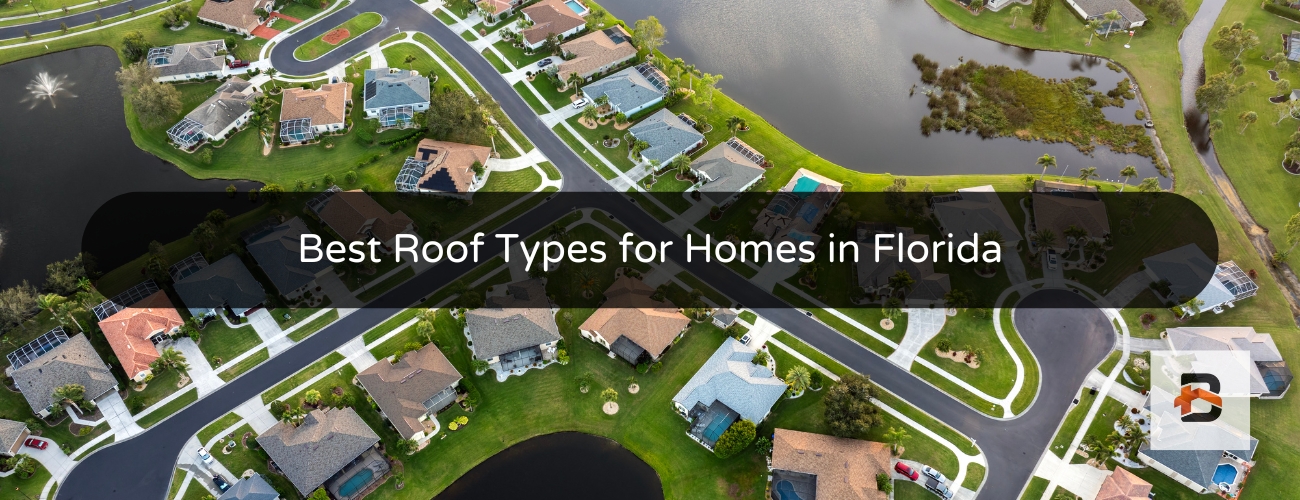
Best Roof Types for Homes in Florida
Florida’s high heat, hurricane-force winds, heavy rains, and extreme humidity make choosing the right roof crucial for safety, energy efficiency, and long-term durability. Understanding the best types of roofs in Florida helps you protect your home while keeping costs manageable.
Shingle Roofs
Shingle roofs are one of the most common types of roofs in Florida. They are made of overlapping panels that shed water effectively and fit a wide range of home styles. Homeowners choose them for their classic look, versatility, and cost-effectiveness.
Despite Florida’s heat and hurricane-force winds, shingle roofs remain popular because they are easy to install, maintain, and replace when needed.
Pros: Affordable and easy to install, repair, and replace
Cons: Shorter lifespan in Florida’s extreme heat, less durable in hurricane zones, susceptible to algae and mold growth
Lifespan: 15 to 25 years
How to Avoid Costly Repairs: Use high-quality shingles and professional installation to ensure durability and prevent wind uplift and premature wear, while complying with Florida building codes.
Pro Tip: Shingles come in different materials, each with its own benefits. Check out our article on the best roofing material for Florida to find the right one for your home.
Tile Roofs
Tile roofs are made of interlocking sections that create a strong, water-shedding surface, ideal for Florida’s heavy rain and high humidity. There are several different roofing tile types, including clay, concrete, and composite materials. Their curved design promotes airflow, helping keep homes cooler under Florida’s extreme sun. Light-colored tiles reflect even more heat, lowering indoor temperatures and reducing cooling costs by up to 15 percent.
Clay and concrete tile roofs are highly wind-resistant and handle hurricane-force conditions when installed correctly. Modern composite tile roofing systems mimic the look of concrete or clay tile roofs but weigh less and resist cracking. This makes them easier to install and maintain in Florida’s storms.
Pros: Extremely durable, energy-efficient, hurricane-resistant
Cons: Heavy (requires a strong roof structure); higher upfront cost; more complex installation
Lifespan: 20 to 40 years
Maintenance Tip: Check for cracked or displaced tiles after storms to avoid leaks that will eventually lead to structural damage.
Metal Roofs
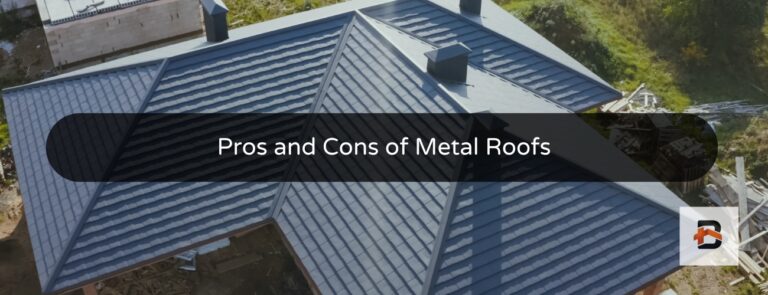
The various types of metal roofs are among the best options in Florida because they’re strong, long-lasting, and built to handle hurricane-force winds and flying debris when installed correctly.
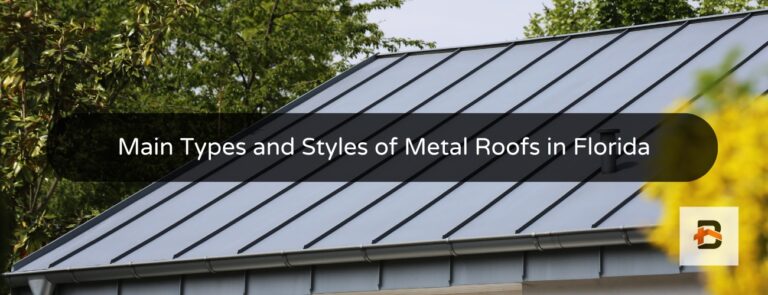
- Standing seam metal roofs have raised vertical seams that lock panels together, keeping out water even during driving rain.
- Screw-down metal roofs are more affordable but need more maintenance over time to prevent fastener loosening.
These roofs also reflect sunlight, keeping homes cooler and reducing energy costs in Florida’s heat. Coastal homeowners benefit from metal roofs with corrosion-resistant coatings, which extend their lifespan in salty, humid air.
Pros: High wind resistance, energy-efficient, long lifespan, low maintenance
Cons: Higher upfront cost than shingle roofs; potential noise during heavy rain or hail if not insulated
Lifespan: 25 to 50 years
How to Avoid Issues: Inspect screws, seams, and coatings regularly to prevent leaks and corrosion.
Flat Roofs
Flat roofs are low-slope systems commonly used on modern homes or commercial buildings in Florida. They provide usable roof space for terraces, rooftop gardens, solar panels, or HVAC equipment while giving a clean, contemporary look. Because these roofs don’t shed water like steep ones, proper drainage and installation are essential in Florida’s heavy rain and storm-prone environment.
Pros: Stylish, functional for rooftop amenities, efficient for solar installations
Cons: Prone to water pooling and leaks if it doesn’t drain properly, higher maintenance
Lifespan: 15 to 20 years
How to Protect Your Investment: Keep drains clear year-round to prevent water buildup. Reseal seams, flashing, and membrane edges as needed. Schedule professional inspections regularly and after major storms to catch early signs of leaks or stress before they become costly repairs.
Wood Shake Roofs
Wood shake roofing gives homes a natural, rustic look that many Florida homeowners appreciate. They offer good insulation and stand up to strong winds when installed and maintained correctly. However, Florida’s humid climate and frequent storms mean these roofs need extra care to prevent mold, rot, and wind damage.
Pros: High curb appeal, strong wind resistance when installed properly, natural insulation
Cons: Greater upfront cost, higher upkeep, high fire risk in certain zones, leading to higher insurance premiums
Lifespan: 10 to 20 years, depending on how well it’s maintained
How to Protect Your Roof: Use treated wood shakes, reapply the fire retardant regularly, remove debris or build up on a regular basis, and schedule professional roof inspections twice a year.
Common Roofing Styles in Florida
Florida homes feature a variety of roof structures, each with unique advantages for aesthetics, wind resistance, and water drainage. Choosing the right style is as important as selecting the type of material, especially in hurricane-prone areas. Below are the most common roofing styles in Florida.
Gable Roofs
Gable roofs have two sloping sides that meet at a ridge, forming a triangular shape. They have excellent water runoff and good ventilation, making them practical for Florida’s heavy rains and hot climate. Proper installation ensures wind resistance, but poorly secured gables will inevitably catch hurricane-force winds and act like sails.
Hip Roofs
Hip roofs slope on all four sides and meet at a ridge or peak. This style is more wind-resistant than gable roofs and performs well in Florida’s hurricane zones. It provides stable structural integrity and improved protection for your home.
There are two types of hip roofs:
- Regular Hip: Two longer sides meet at a center ridge, while two shorter sides connect each end.
- Pyramid Hip: All four sides are equal in length and join at a single point at the top.
Hip roofs offer the best wind resistance among common roofing styles, which helps lower insurance premiums in Florida’s hurricane zones.
Gambrel Roofs
Gambrel roofs, also called a Dutch gable, have two slopes on each side. The lower section is steeper, while the upper section is more gradual. This design creates extra attic space and adds a traditional, barn-style look.
Gambrel roofs aren’t ideal for Florida’s high winds. Their wide surface area and jointed angles catch gusts, making them more vulnerable during hurricanes if not reinforced properly. Additional bracing or hurricane straps placed during installation improve wind resistance.
Mansard Roofs
Mansard roofs have four sides, each with two slopes. The lower slope is steep, often allowing dormer windows or extra attic space. This design adds elegance and more interior space.
Mansard roofs must be well-sealed to prevent leaks during Florida’s heavy rains. Reinforced framing and proper bracing during installation protect both the roof and interior from hurricane and water damage.
Shed Roofs
Shed roofs feature a single slope that runs from one wall to another, offering a clean, minimalist look popular in modern Florida homes. They’re affordable, easy to build, and the angled design provides excellent drainage during heavy rains.
These roofs are ideal for natural light and ventilation. Adding skylights or clerestory windows improves airflow and brightens interior spaces, while reducing energy costs.
Flat Roofs
Flat roofs feature a minimal slope that creates functional rooftop space. Correct design ensures water drains efficiently, preventing pooling that causes leaks and structural damage in Florida’s extreme weather. They’re often chosen for their modern, minimalist aesthetic and the practicality of being able to use the roof area.
Key Considerations for Florida Roofs
Florida’s climate and building codes affect every roofing decision. Homes face hurricane-force winds, heavy rains, and high humidity, making professional installation essential.
Key points to consider:
- Wind Resistance: Choose roof types and styles rated for hurricane zones to minimize wind damage.
- Proper Slope and Drainage: Prevents water pooling, leaks, and structural stress during heavy rains.
- Energy Efficiency: Reflective or light-colored surfaces help reduce indoor heat and lower your energy costs.
- Attic Ventilation: Roof styles should allow for proper airflow to prevent trapped heat and moisture to protect roof coverings, insulation, and interior spaces.
- Insurance Savings: Some hurricane-resistant roofs qualify for insurance discounts.
- Durability: Consider roof types that resist flying debris, corrosion, and mold in coastal or humid areas.
Always consult a licensed roofing contractor who is familiar with Florida’s building codes and harsh weather conditions. A professional will ensure your roof is properly designed, installed, and inspected to protect your home and investment.
Making the Best Roofing Choice for Your Florida Home
Each roof style, from gable and hip to gambrel and flat, offers unique benefits for ventilation, water runoff, and wind resistance. The right roof type—shingle, tile, metal, shake, or flat—ensures durability and energy efficiency. Choosing a combination suited to your home’s architecture and local climate helps prevent costly storm damage and maximizes your home’s usable attic or rooftop space.
Professional installation and proper structural reinforcement ensure your chosen roof performs well in Florida’s harsh climate. Considering slope, drainage, and ventilation protects your roof investment. A well-chosen roof will provide long-lasting performance and peace of mind against Florida’s challenging weather conditions.