Important Florida Roofing Laws
Keeping up to date with Florida’s evolving roofing laws is essential for protecting your investment and staying compliant. This is especially important as hurricane seasons become more intense and frequent. Key roofing laws to know about in 2025 include new building code standards regarding underlayments, the 15-year roof rule, and Senate Bill 4-D.
Underlayment Requirements for 2025
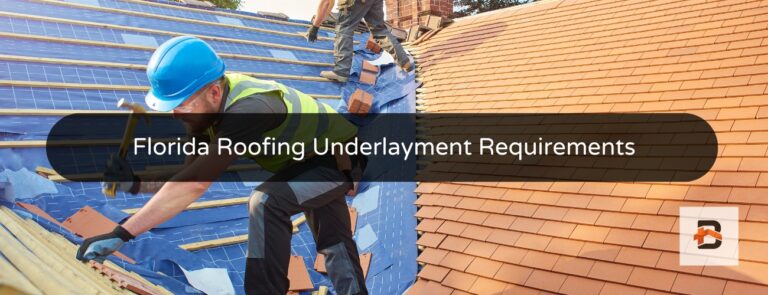
Florida’s updated roofing code changes apply to underlayment materials, installation techniques, and code compliance standards. Only specific materials are now approved, including those meeting ASTM D8257, ASTM D226 Type II, or ASTM D4869 Type III or IV standards.
For dual-layer systems, roof installation professionals must now follow a stricter overlap method. A half-width starter sheet goes along the eaves, followed by a full-width layer. The overlaps must meet exact measurements to ensure better water resistance and wind protection.
Other technical updates include a change in membrane width from 3-3/4 inches to 95 mm and a reduction in minimum nail penetration from 3/16 inch to 1/8 inch. The outdated ASTM D675 has also been replaced with ASTM D6757.
Tile roofs with a 4:12 pitch or higher using single-ply underlayment are no longer considered nail-on systems. These updates help to create more consistent, storm-ready installations across the state.
Florida’s 15-Year Roof Rule
The 15-year roof rule in Florida protects homeowners from losing insurance coverage based solely on roof age.
This rule (Florida Statute 627.7011(5)) ensures that insurers cannot cancel or refuse to renew a policy simply because a roof is older than 15 years.
Here’s how it works:
Roofs less than 15 years old
Insurers must issue or renew policies without requiring an inspection.
Roofs over 15 years old
Homeowners may hire a qualified inspector to assess their roof. If the roof has at least five years of life left, insurers may not deny coverage based solely on the roof’s age.
The 15-year roof rule only applies to homeowner policies issued or renewed after July 1, 2022. It excludes mobile homes and non-standard policies.
Insurance Coverage: What Roof Repairs Are Covered?
Home insurance in Florida typically covers roof damage caused by unexpected, covered events.
A quick breakdown of common roof coverage and exclusions:
| Typically Covered | Often Not Covered |
| Wind and hail | Long-term leaks or aging |
| Fire | Flooding or earthquakes |
| Lightning strikes | Pest infestations |
| Falling trees or objects | Improper installation or lack of maintenance |
Coverage depends on your specific policy and provider. Always review your policy details or speak directly with your insurance provider to understand your coverage.
The 25% Roof Replacement Rule Update
The 25% roof replacement rule was updated to reduce costs and provide more repair flexibility for Florida homeowners.
Under the 2020 Florida Building Code, homeowners were required to bring the entire roofing system up to the current code if more than 25% of a roof was damaged within 12 months. This often resulted in full roof replacements and substantial expenses.
Senate Bill 4-D changed this rule. Now, only the damaged portion of the roof must be brought up to the latest building codes, as long as the rest of the roof was installed according to the 2007 Florida Building Code or a more recent version.
Who Benefits From the 25% Roof Replacement Rule?
The update to the 25% roof replacement rule provides clear advantages for homeowners, local governments, and roofing contractors by easing regulations and reducing costs.
Roofs installed after March 1, 2009, generally meet the updated code standards. Homeowners save money by avoiding unnecessary full replacements, and local governments may no longer enforce strict rules on this point. For contractors, this rule means faster repairs focused only on damaged sections, lower material costs, and easier compliance.
This update brings significant relief to homeowners impacted by hurricane damage. They previously had no choice but to replace the entire roof.
Important Note About Roof Replacement Licensing and Materials
Florida law requires all roof replacements and new roof installations to be completed by a licensed contractor using roofing materials that comply with the Florida Building Code (FBC). These materials must be installed as per the manufacturer’s guidelines.
Roofing contractors are required to possess a valid license issued by the state of Florida. Unlicensed work may result in fines and disqualification from future licensing. General contractors are allowed to install shingle roofs on new structures, but aren’t permitted to perform other non-emergency roofing work.
Homeowners should always verify their contractor’s credentials before signing any agreement. This protects them from poor workmanship and ensures roofing systems are up to code.
Tips and Checklist
Follow these essential tips to ensure your roof complies with Florida’s current roofing laws, protecting your home and your insurance coverage.
Hire a Licensed Contractor
Work with licensed roofing contractors. Make sure they use materials approved by the FBC and install them correctly.
Keep Detailed Roofing Records
Save all inspection reports, repair receipts, and warranty documents. Having clear records will help with insurance claims and allow you to prove code compliance.
Document Storm Damage Immediately
If your roof is damaged in a storm, take photos right away. Contact your insurance company promptly. Timely documentation often helps to speed up claims and ensure fair coverage.
Review Your Insurance Policy Annually
Florida roofing laws change frequently. Review your home insurance policy each year to make sure you understand your coverage, exclusions, and any roof-specific clauses.
The Future of Roofing Compliance in Florida
Recent updates to Florida’s laws aim to make homes safer, more affordable to maintain, and easier to insure.
Homeowners should expect continued focus on material quality and wind protection standards. Roofing materials are expected to advance, with greater emphasis on impact resistance and waterproofing technology to meet higher performance standards.
As the climate continues to bring more frequent and severe storms, future code updates may require even stronger protections against wind, water intrusion, and structural failure.
Local governments are beginning to adopt digital permitting and inspection systems to speed up approvals and improve code enforcement. Penalties for unlicensed roofing work could get tougher as the state looks to better protect homeowners and make sure roofing jobs are done right.
Insurance companies may start offering discounts or special policy perks for homes that follow the latest roofing standards. Roofing contractors might also need to complete more training as rules continue to evolve and quality expectations stay high.
The best way for Florida homeowners to stay protected and avoid costly issues is to stay informed and always work with licensed roofing contractors.
FAQs About Florida Roofing Laws
Knowing the answers to these common questions will help Florida homeowners navigate roofing rules and insurance coverage with confidence.
Do Florida homeowners need to replace their whole roof after hurricane damage?
As long as the remaining roof adheres to the 2007 Florida Building Code or a more recent version, only the damaged area must be brought up to current code requirements.
What is the 15-year roof rule?
Insurers cannot deny or non-renew policies based solely on the age of roofs under 15 years.
Does insurance cover all roof repairs in Florida?
Insurance typically covers roof repairs in Florida only if the damage is from a covered peril like fire, wind, or falling objects. Damage from pests or long-term leaks is not covered.
Are dual-layer underlayments required?
Yes. Florida Building Code updates now mandate a dual-layer underlayment system for most roofing materials.
Can I replace my roof myself?
No. Florida law requires roofing work to be completed by a licensed contractor to ensure safety and code compliance.
Stay Up to Date With Florida’s Roofing Requirements
Florida’s roofing regulations offer welcome relief to homeowners, especially those facing storm-related roof damage. New laws like SB 4-D and the 15-year roof rule make it easier and more affordable to maintain a safe, insurable roof.
Whether you’re considering a partial repair or full replacement, working with a trusted, licensed roofing contractor ensures your project stays within legal requirements and your home remains protected.