9 Common Roofing Mistakes & How to Avoid Them
Many homeowners and inexperienced roofers make mistakes that shorten a roof’s lifespan or lead to costly repairs. Learning the most common roofing mistakes helps you save money, avoid frustration, and protect your home.
1. Improper Installation
Improper installation is a top cause of premature roof failure. Many homeowners and inexperienced contractors fail to follow manufacturer guidelines, which leads to problems and costly repairs.
In storm-prone areas like Florida, a poorly installed roof isn’t just a cosmetic issue—it’s a safety hazard. Loose shingles and flashing become flying objects during hurricanes, risking serious injuries or worse. Faulty installation also allows water to enter, leading to leaks, structural damage, and expensive home repairs.
In addition, proper installation in Florida isn’t just about protecting your home; it’s about meeting Florida’s important roofing laws. Florida enforces some of the strictest roofing laws in the country to reduce storm damage and safeguard homeowners.
These are common installation mistakes homeowners and inexperienced roofers make.
Underlayment
Skipping, misaligning, or using low-quality or wrong underlayment exposes your roof deck to wind-driven rain, moisture, and leaks, shortening your roof’s lifespan.
How to Avoid: Always use high-quality underlayment appropriate for your roofing material and installed according to local building codes. For example, the 2025 Florida roofing underlayment requirements now require dual-layer underlayment that meets ASTM standards to improve wind and water resistance.
Shingles
Improper nailing, placement, or overlapping weakens shingles, leading to blow-offs, leaks, and accelerated wear.
How to Avoid: Have a professional install shingles according to manufacturer guidelines and local building codes.
Starter Shingles
Skipping or incorrectly installing the first row of shingles along the eaves lets water seep under the roof and damage the deck.
How to Avoid: Install a proper starter strip along the eaves to protect your roof from leaks.
Roofing Nails
Using the wrong length or leaving nails exposed reduces shingle holding power and compromises your roof’s integrity.
How to Avoid: Follow manufacturer recommendations for nail size, placement, and depth.
Flashing
Reusing old flashing or poorly securing it allows water intrusion at chimneys, vents, roof valleys, and skylights, causing structural damage.
How to Avoid: Always replace old flashing during repairs or replacement and ensure it’s correctly sealed and secured.
Drip Edge Flashing
Skipping installation or reusing old drip edges lets wind-driven rain and insects reach your roof deck and fascia. Over time, this causes wood damage and rot. This is especially risky in storm-prone areas like Florida, where wind-driven rain accelerates deterioration.
How to Avoid: Replace the drip edge during a roof replacement. The small cost protects your roof and fascia from costly damage.
Pro Tip
Hiring a local professional roofer ensures proper roof installation, compliance with local building codes, and protection against wind and water damage. Attempting self-installation to save a few hundred bucks on the cost of a new roof installation often backfires, leading to costly repairs and a shorter roof lifespan.
2. Choosing the Wrong or Cheap Roofing Materials
Picking the wrong roofing material will shorten your roof’s lifespan and increase long-term costs. Some materials look great but fail in certain climates—like asphalt shingles that deteriorate quickly in extreme heat, or heavy slate that will strain a weak roof structure.
Cheap Material
Choosing roofing material based on price alone is another mistake. Cheap materials often require frequent repairs and replacements, causing headaches and driving up long-term costs.
Roof Slope Matters
Using materials unsuited for your roof’s pitch leads to water penetration and premature failure. For example, asphalt shingles are designed for medium-pitch roofs. Installing them on a very low-slope roof in Florida allows heavy rains to pool and seep under the shingles, damaging the roof deck and interior of your home.
How to Avoid: Work with a competent roofing professional to choose roofing materials that suit your climate, roof slope, structure, and budget. This ensures long-term durability. They’ll help you pick roofing that stands up to your particular climate and protects your wallet.
3. Installing New Shingles Over Old Shingles
Florida building codes allow one additional layer of asphalt shingles over an existing roof if certain requirements are met. However, this option sacrifices durability.
Shingles are only wind-tested on flat decking, not on top of an uneven shingle surface. This increases the chance of failure in hurricanes or hailstorms.
Tearing off the old shingles lets you inspect and repair damaged decking, re-nail sheathing for extra wind resistance, and install secondary water barriers and quality underlayment.
How to Avoid: Even if the building code allows it, choose a full tear-off before the roof replacement. The small added cost delivers a stronger, safer roof and long-term peace of mind.
4. Incorrect Shingle Overhang
Shingles that extend too far past the roof edge are at risk of catching the wind and tearing off during storms. If they don’t extend far enough, water runs back onto the decking and will cause leaks and rot.
How to Avoid: Always install shingles with the proper overhang. The ideal overhang is about ¼ to ⅜ of an inch (6–10 mm) at the eaves to direct water away from the roof deck.
5. Guttering System Errors
Gutters protect your roof and home by directing water away from the structure. Sagging, improperly installed, clogged, or missing gutters lead to leaks, water damage, and foundation problems.
How to Avoid: Learn about the importance of rain gutters, even in Florida. Have them professionally installed with the proper slope and debris protection screens. Perform regular cleaning to prevent blockages.
6. Inadequate Ventilation in the Attic
Poor ventilation traps heat and moisture in the attic and weakens your roof. This accelerates shingle deterioration, warps roof decking, ruins insulation, and eventually causes mold growth. In colder climates, it eventually contributes to ice dams that threaten structural integrity.
Signs of poor ventilation include musty odors, visible mold, blistered shingles, or unusually high energy bills. Left unresolved, the roof’s lifespan shortens, and costly repairs become unavoidable.
How to Avoid: Ensure there is proper ventilation. Use soffit (intake) and ridge (exhaust) vents together so heat escapes, air circulates, moisture stays under control, and your roof lasts longer.
7. Skipping Regular Roof Inspections
A roof left unchecked develops hidden problems that turn into costly damage. Loose shingles, cracked caulking, loose fasteners, or rusted flashing often go unnoticed until leaks spread and repairs multiply.
How to Avoid: Stay proactive. Have your roof professionally inspected twice per year, and following any major storms. Early detection is the simplest way to extend your roof’s life.
8. Neglecting Roof Maintenance
Even a well-installed roof will fail early if neglected. Dirt, debris, algae, or overhanging branches all shorten its lifespan and increase the risk of leaks. Without regular maintenance, small issues quickly turn into costly repairs.
How to Avoid: Keep your roof clean and clear. Trim nearby trees, remove debris, and schedule routine maintenance with a roofing professional. Consistent care protects your roof and saves money long term.
9. Attempting DIY Roof Repairs
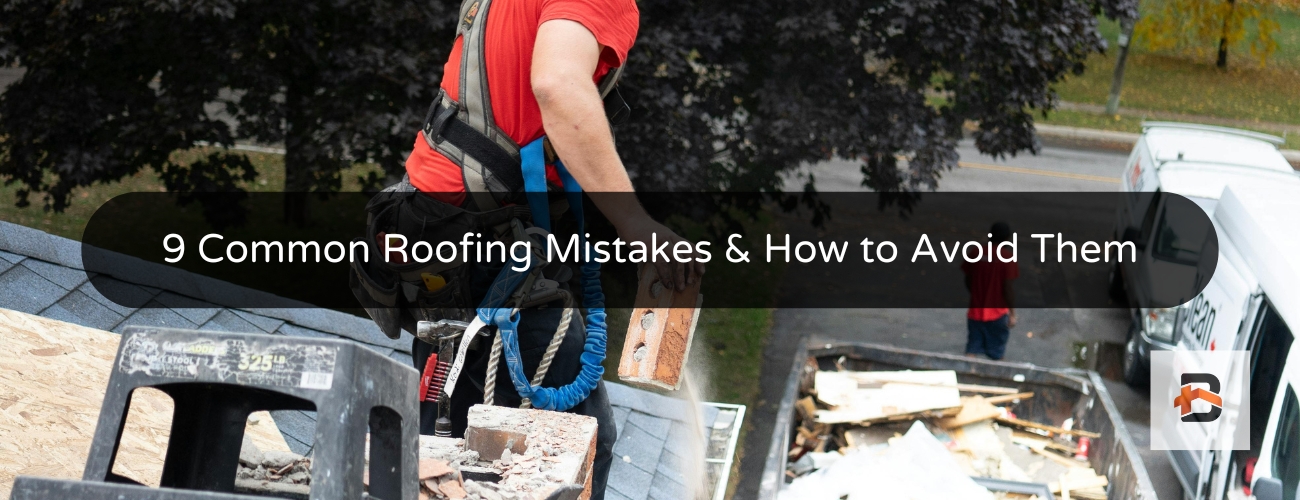
DIY roof fixes often cost more in the long run. Improper sealing, nailing, flashing work, or material choices compromise the roof’s integrity and leave your home vulnerable to leaks. On top of that, climbing a roof without training or safety gear is one of the leading causes of serious home repair injuries.
How to Avoid: Leave roof installations or repairs to licensed professionals with the right tools, safety equipment, and expertise. Getting skilled roof repairs ensures long-lasting results and keeps you off the ladder and safe.
Avoid Costly and Dangerous Roofing Mistakes
Avoiding these common roofing mistakes protects both your home and your wallet. From choosing the right materials to ensuring proper installation and maintenance, every step matters in keeping your roof reliable.
That’s especially true in Florida, where severe weather turns roofing mistakes into major hazards. Working with licensed professionals ensures your roof is built to code, storm-resistant, properly ventilated, and long-lasting.