Clay Tile vs Concrete Tile
Clay and concrete tiles both offer beauty, durability, energy efficiency, and weather resistance. They differ, however, in cost, weight, maintenance, and long-term value. Knowing these key differences will help you choose the right roofing material for your home.
What Are Clay Roof Tiles?
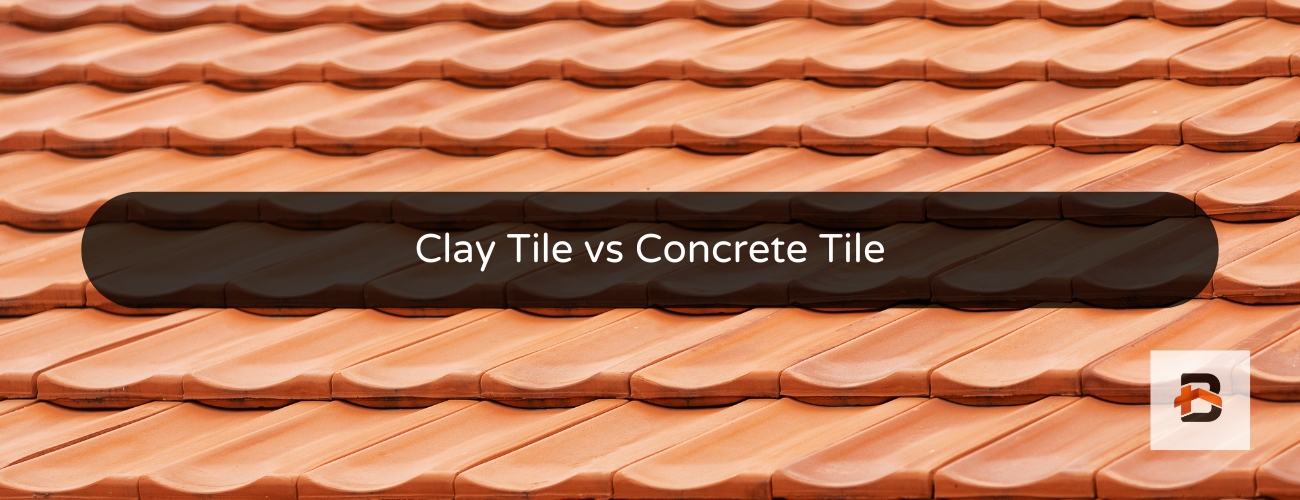
Clay roof tiles are one of the oldest roofing materials, made from natural clay shaped and fired at high temperatures. This process creates a dense, durable material that resists fire, rot, and insect damage.
Most clay tiles achieve their color from chemical changes during the firing process, meaning the color is integral and highly stable for decades. This natural coloring tends to hold up better over time than the surface-painted finish often used on concrete tiles. Clay tiles typically come in a natural terra cotta shade, though modern options also include glazed and painted finishes.
Clay tile roofing typically lasts 50–70 years or more with proper maintenance. Their low water absorption rate (6–15 percent) helps prevent mildew in humid climates like Florida. Spanish-style clay tiles and other curved designs are common, giving homes a distinctive, upscale look.
Common Uses of Clay Tile Roofing
Clay tiles are often chosen for their distinctive appearance and durability. Common applications include:
- Upscale residential properties and historic homes
- Mediterranean, Spanish, and Mission-style architecture
- Projects where long-term appearance and color retention are a priority
- Homes in hot and coastal climates, where harsh weather resistance is critical
Pros of Clay Tile Roofing Material
Clay tile roofing offers several benefits that make it a premium choice:
- Extremely long lifespan, often exceeding 75 years
- Natural terra cotta color resists fading and maintains curb appeal
- Lower water absorption rate reduces the risk of mildew growth
- Resists heat, salt exposure, storms, and high winds typical in Florida
- Low maintenance and environmentally friendly due to natural materials
Cons of Clay Tile Roofing Material
Clay tiles also have drawbacks to consider before making your decision:
- More expensive upfront compared to concrete tiles
- Heavier than many other roofing materials, requiring additional roof structure support
- Brittle and typically cracks under heavy impact or when walked on
- Limited range of shapes and sizes compared to concrete tiles
- Longer installation process requiring experienced professionals
What Are Concrete Roof Tiles?
Concrete roof tiles are made from a mixture of sand, cement, and water, poured into molds and cured under heat or pressure. This process produces a strong, versatile tile available in flat, curved, and interlocking designs.
Unlike clay tiles, concrete tiles are usually colored with surface paints or pigments, which allows for a wider variety of shades and styles. However, painted finishes are more prone to fading over time, especially in Florida’s intense sun.
This type of tile roofing generally lasts 30–60 years, depending on the quality and maintenance. Concrete tiles are heavier than clay and absorb more water, which increases roof weight and promotes mildew growth in humid conditions. They remain popular because they’re cheaper per square foot than clay.
Common Uses of Concrete Tile Roofing
Concrete tiles are versatile and more budget-friendly, making them a strong option for a variety of projects. Common uses include:
- Suburban homes where affordability and durability are both priorities
- New roof projects needing large-curve or flat styles for a modern look
- Homeowners seeking color and style options, including painted finishes
- Properties in regions with varied weather conditions that require durable roofing material
Pros of Concrete Tile Roofing Material
Concrete roof tiles are widely used for their practical advantages:
- Slightly cheaper per square foot than clay, making them a little more cost-effective
- Available in more styles, curves, and finishes, offering greater design flexibility
- Durable and resistant to fire, insects, and rot
- Certain styles mimic the look of slate, wood, or even clay at a lower price point
- Strong performance in varied weather conditions, including high winds
Cons of Concrete Tile Roofing Material
Concrete tiles also carry certain disadvantages:
- Heavier than clay tiles due to water absorption (13 percent), adding extra weight over time
- Painted finishes are more prone to color fading, affecting long-term appearance
- Prone to efflorescence (chalky appearance) if not installed and sealed correctly by a roofing professional
- Require regular cleaning in humid climates to prevent mildew growth and water staining
- Slightly shorter lifespan than clay
- Repairs are more involved due to the weight and water absorption properties
Key Differences Between Clay and Concrete Tile Roofing
Clay and concrete tiles each offer distinct advantages and trade-offs for you to consider.
Weight and Roof Structure
Both clay and concrete tiles are heavy compared to other roofing materials. Concrete tiles absorb water, making them 40 percent heavier than clay tiles over time. This extra weight will require additional roof structure support designed to support 500–720 pounds per square (i.e., 100 square feet of roof area).
Homeowners should always consult a roofing professional to assess the roof deck and make any necessary structural reinforcements before installation.
Lifespan and Long-Term Value
The roof lifespan of clay tiles often exceeds 70 years with proper care. Concrete tiles last several decades, but often will need earlier replacement due to water absorption and surface wear. For homeowners seeking the longest-lasting option, clay is the stronger investment.
Climate Suitability
Clay tiles are well-suited to hot and humid regions like Florida because their porous structure helps with ventilation and heat control. However, they’re more vulnerable to cracking in freezing and thawing cycles, which limits their use in colder climates. This is one reason clay tiles are more common in Mediterranean and tropical settings, often referred to as Spanish tile roofs.
Concrete tiles perform well in both hot and cold climates. Their denser composition resists freeze-thaw damage, making them more versatile for homes across a wider range of weather conditions.
Maintenance and Repair
Clay tiles require little maintenance and retain their color for decades when correctly installed. Concrete tiles need regular cleaning and resealing to prevent mildew and fading over time. Both tiles are brittle—clay is slightly more fragile to impact, while concrete is more challenging to repair due to its weight.
Tile roof issues that arise before the end of their expected lifespan are often caused by installation errors or extreme weather events (page 8). Working with an experienced roofing professional reduces the risk of installation mistakes, helping prevent premature problems and safety hazards.
Energy Efficiency in Hot Climates
Tile roofs naturally help regulate indoor temperatures better than many other roofing materials. A Florida Solar Energy Center study found tile roofs reduced heat transfer into homes by 40–50 percent (page 8). Using lighter tile colors further lowers the cooling costs for hot, sunny climates.
Clay tiles perform better because of their natural porosity, which allows air circulation and reduces heat absorption. Concrete tiles retain more heat and transfer it more slowly, making them slightly less effective in peak Florida heat compared to clay.
Consult an expert roofer to select the right tile color and material to maximize energy efficiency in your climate.
Aesthetic Appeal
Clay tiles are prized for their natural terra cotta coloring and classic Spanish or Mediterranean appearance. Concrete tiles offer more flexibility with painted finishes, flat profiles, and large curves, but painted concrete will fade faster than clay’s natural tones.
Cost and Budget
Clay tiles are more expensive upfront, costing more per square foot than concrete. Materials and installation of a clay tile roof in Tampa, FL, typically range between $9 and $17 per square foot. Concrete tiles are slightly cheaper and easier to source, averaging $10–$20 per square foot.
For a more detailed breakdown, see our tile roofing costs guide, which covers materials, labor, and other considerations for your roofing project. Consult with a professional roofing contractor to understand the cost implications and long-term value of each option. They’ll ensure your investment aligns with your home’s needs and budget.
Environmental Impact
Clay tiles are made from natural materials and have a low environmental footprint. Concrete tiles are also durable but involve higher energy consumption during manufacturing. Both are recyclable, but clay’s natural composition makes it the more eco-friendly choice.
Choosing Between Clay and Concrete Tiles
Deciding between clay tile vs concrete tile comes down to what you value most. Clay tiles stand out for their long lifespan and resistance to fading, with minimal upkeep required. Concrete tiles are more affordable and come in a wider variety of styles, offering strong performance in Florida’s climate.
Both options add significant curb appeal to your home and withstand Florida’s hot, humid climate better than many other roofing materials. Working with a skilled roofing professional ensures you choose the best material for your home and budget. Their expertise will help you balance performance, style, longevity, and cost.