6 Cheapest Roofing Material Options Ranked
The cheapest roofing material options save homeowners thousands while still providing reliable protection. This list ranks roofing materials by cost and lifespan, offering a few practical tips along the way to get the most value for your budget.
1. Asphalt Shingles
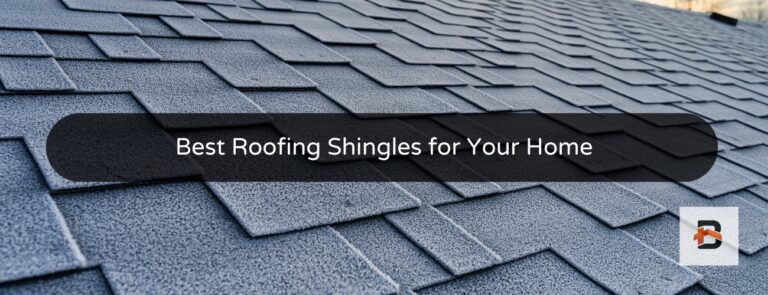
Asphalt shingles are the cheapest roofing material option for most homeowners. They come in several quality levels to match your budget, durability needs, and local climate. Prices range from $4 to $12 per square foot, depending on the shingle type and performance rating.
Shingle roofing is easy to install, low-maintenance, and fire-resistant. Shingles handle heat and rain well enough to perform adequately in most US climates. The main drawback is that they have a shorter lifespan than higher-end roofing materials, especially in storm-heavy regions.
Even with these limits, asphalt shingles remain a top cost-effective choice. Regular inspections, maintenance, and repairs extend their performance over time.
3-Tab Asphalt Shingles (Cheapest)
3-tab shingles are the entry-level option at $4.50 to $6.50 per square foot. They last 15 to 25 years and provide basic weather protection.
Their single-layer design keeps pricing down but reduces resistance to high winds, extreme heat, and heavy rain. 3-tab shingles work best on simple roof designs and small projects.
These shingles are ideal for homeowners needing the lowest upfront cost to protect their home. They’re often chosen as a temporary or budget-focused solution.
Architectural Asphalt Shingles (Mid-Range)
Architectural shingles, also called dimensional shingles, cost $6 to $9 per square foot and typically last 20 to 30 years in hot or storm-prone climates. They use laminated layers that improve weather protection and wind resistance.
They balance affordability with higher durability, making them a practical upgrade over 3-tab shingles. CertainTeed produces some of the best roofing shingles with enhanced wind ratings, algae resistance, and extended warranties for better long-term value.
Luxury Asphalt Shingles (High-End)
Luxury shingles start at $8 per square foot and mimic slate or wood shake. Their thicker construction delivers superior wind and impact resistance for 30 years or longer.
They cost more than basic shingles but remain cheaper than tile and slate. CertainTeed’s luxury lines offer advanced features like dual-layer construction, impact upgrades, streak-fighter technology, and expanded color options and styles.
These shingles appeal to homeowners who want maximum durability and an upscale look on a mid-range budget.
2. Rolled Roofing
Rolled roofing is the cheapest roofing material available. It costs $2 to $6 per square foot and lasts 5 to 10 years in harsh-climate states.
This material comes in long sheets that unroll across the roof deck. It’s easy to install but offers less durability than asphalt shingles.
Rolled roofing works best for temporary or ultra-budget projects. It provides basic rain protection but wears down fast. It’s a common choice for sheds, small additions, or short-term roof solutions.
3. BUR, Modified Bitumen, and EPDM (Flat Roofing)
Flat roofing systems are one of the cheapest roofing material options for low-slope roofs and small additions, offering straightforward installation and maintenance. These systems cost $4 to $20 per square foot and typically last 15 to 20 years in moderate to severe climates.
Flat roofing is a cost-effective choice when installed professionally and maintained on a regular schedule. Its durability and predictable upkeep make it a practical option in harsh weather zones.
Built-Up Roofs (BUR)
BUR uses layers of felt, asphalt, and bitumen for strong protection. A top layer of crushed stone adds weather resistance and controls heat in hotter climates. BUR handles heavy rain, sun, and foot traffic better than many low-cost systems.
Modified Bitumen
Modified bitumen has polymer-reinforced layers that flex with temperature swings. This flexibility reduces cracking and supports reliable performance in extreme heat or cold.
Single-Ply Membranes (EPDM)
EPDM is a durable synthetic rubber membrane that withstands impacts, UV exposure, and extreme temperatures. It provides strong, long-lasting waterproofing for homes needing simple flat roof protection.
4. Concrete Tiles
Concrete tile roofing costs $8 to $15 per square foot and lasts 20 to 40 years. It provides strong resistance to heat, rain, and wind with minimal wear.
These tiles are heavy, so some roofs require structural reinforcement before installation. Maintenance is low, but damaged tiles must be replaced promptly to protect the roof deck.
Concrete tiles aren’t the cheapest roofing material, but their long lifespan makes them very cost-effective. They’re a smart choice for homes in harsh weather zones like Florida. Planning ahead for the cost of concrete tile roofing allows homeowners to achieve a premium look without paying slate or clay tile prices.
5. Wood Shingles and Shakes
Wood shingles and shakes made from cedar cost $8 to $16 per square foot. They last 20 to 50 years in extreme climates and achieve longer lifespans in milder climates. They provide natural beauty that boosts curb appeal.
These roofs require more maintenance than asphalt or metal. They’re prone to moisture damage and need regular treatments to prevent rot and insect damage.
Wood shingles fit homeowners who prioritize natural materials and aesthetic appeal. They perform best in dry climates and are less suitable for consistently wet regions. Proper maintenance extends their lifespan and preserves their rustic look.
6. Metal Roofing
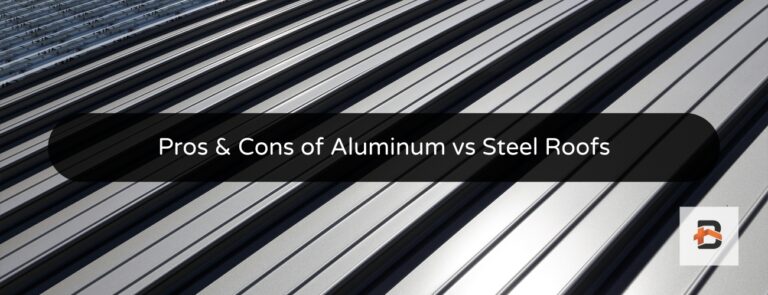
Metal roofing costs $10 to $18 per square foot and lasts 25 to 50 years in Florida. While the upfront price is higher, its durability and low maintenance make it cost-effective over time.
Exposed fastener, corrugated, V-Rib, and standing seam metal roofing panels are four of the most common types of metal roofing. Aluminum and galvanized steel provide strong resistance to wind, rain, and salt air, making them reliable in harsh climates. These systems also improve energy efficiency, helping reduce cooling costs in hot weather.
Maintenance needs are minimal, but installation is more complex than shingles. Many homeowners choose metal roofing for its longevity, fire resistance, and long-term value.
Budgeting Your Roof Project
Budgeting the cost of a new roof means factoring in labor, roof deck repairs, structure reinforcement, and other materials like underlayment and drip edges. Larger, steeper, or more complex roofs increase both material and labor costs.
According to Roof Magazine, the average US roof replacement is $9,522. Choosing cheaper materials will have an impact on the total cost. Planning ahead helps you pick the right roofing material and get the best value for your budget.
Cheap Materials vs Maintenance
Lower-cost roofing materials will need more maintenance. Basic asphalt shingles and entry-level flat roofing require frequent inspections and small repairs to prevent leaks. Skipping maintenance typically leads to expensive repairs and a shorter lifespan, negating the original cost-effectiveness.
Climate Impact
Climate directly affects how long cheap roofing materials last. Salt air, damp conditions, high winds, storms, and harsh UV rays shorten the lifespan of asphalt shingles and other budget-friendly systems. Homeowners in storm-prone or coastal areas benefit from choosing materials with higher resistance to the elements.
Smart Ways to Save on Roofing
The smartest way to save on roofing is by pairing affordable materials with professional installation. A licensed roofing pro ensures proper preparation and installation, reducing the risk of leaks, blow-offs, and early failure.
FAQs
What is the cheapest roofing material for my home?
Basic 3-tab shingles are the cheapest roofing material for most homes. They offer the lowest upfront cost and fast installation, which reduces labor costs. Their price advantage is strongest on simple roof layouts that reduce cutting time and waste.
Are cheap roofs worth it?
Yes, cheap roofs are worth it when homeowners need dependable coverage without a major investment. They perform adequately when installed on a sound roof deck and maintained regularly. Many homeowners choose inexpensive materials as a practical solution before upgrading to longer-lasting systems later.
Can a roofing contractor help me save money without sacrificing quality?
Yes, a skilled roofing contractor helps you save money by preventing installation mistakes that shorten a roof’s lifespan or void warranties. They also recommend cost-effective materials suited to your local climate, reducing the need for frequent repairs and premature replacement.
What maintenance is needed for low-cost roofing materials?
Low-cost roofing materials require more frequent inspections, especially after storms. Keeping gutters clear, removing debris from valleys and edges, and addressing minor damage quickly will extend their lifespan and reduce long-term repair costs.
Choosing the Most Cost-Effective Roof for Your Home
Choosing the cheapest roofing material doesn’t mean sacrificing protection. Asphalt shingles, flat roofing systems, wood shakes, concrete tiles, metal panels, and even rolled roofing (in a pinch) all offer cost-effective options for homeowners on a budget.
The key is selecting the right material for your climate, roof slope, budget, and long-term plans. Professional installation ensures the roof performs as expected, reduces maintenance issues, and maximizes your roof’s lifespan and your investment.