Shingle vs Tile Roof
Shingle and tile roofs are two of the most popular roofing options, each with strengths and tradeoffs in cost, durability, and appearance. Understanding the key differences will help you select the roof that performs best for your home, climate, and budget.
What Is Shingle Roofing?
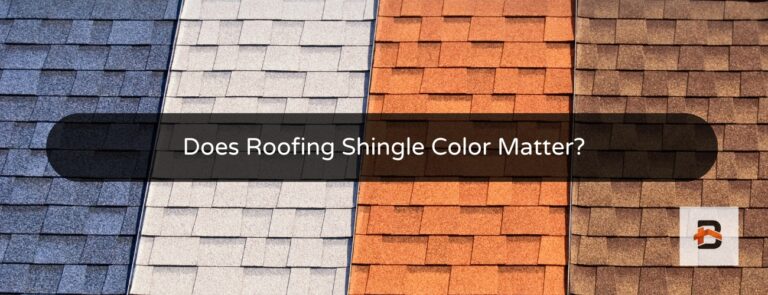
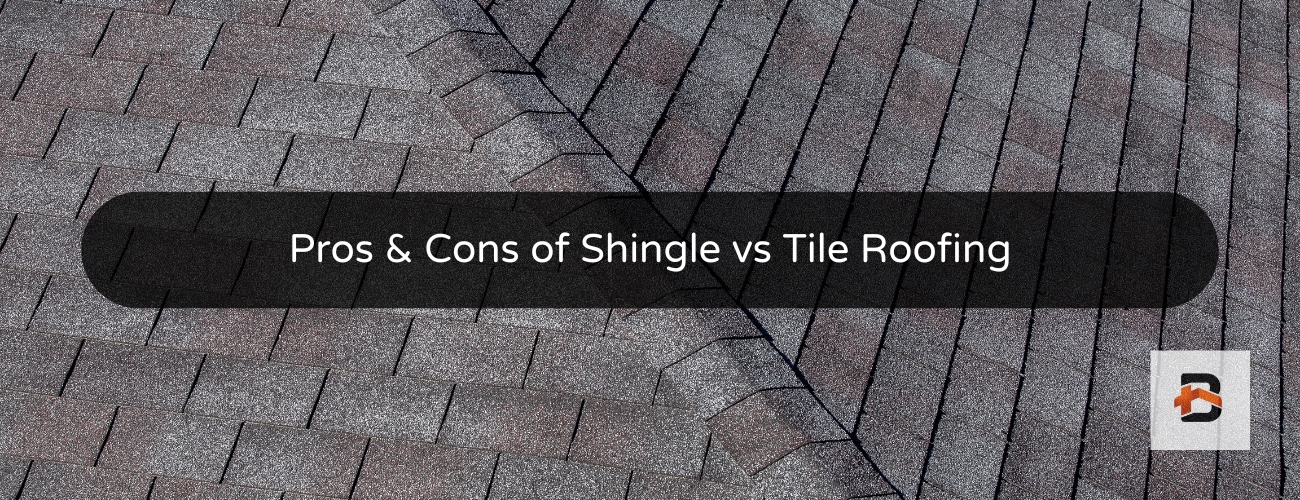
Shingle roofing is made from a fiberglass or organic mat base, coated with asphalt, and finished with protective mineral granules. This design makes asphalt shingles affordable and lightweight. They’re also easy to install, making them one of the most common roofing options in the United States.
Three-tab shingles are the most economical and offer a flat, uniform look. Architectural shingles are thicker, more durable, and give the roof a dimensional appearance. Premium or designer shingles are heavier and built to mimic slate or wood shakes while providing higher wind and weather resistance than three-tab shingles.
The lifespan of single roofing (in general) is 20 to 30 years, depending on the shingle type and local climate. In hot, humid states like Florida, where extreme UV exposure and storms take a toll, this is typically reduced to 15 to 25 years. Architectural or premium shingles are usually recommended as the best shingles for Florida because they offer longer-lasting protection in its harsh climate.
Typical Uses of Shingle Roofing Systems
Shingle roofing is well-suited for a variety of building types and residential projects, such as:
- Residential homes in neighborhoods
- Budget-conscious new roof or roof replacement projects
- Townhouses or multi-family homes with sloped roofs
- Home additions or small extensions
- Roofs in areas with moderate weather exposure
Advantages of an Asphalt Shingle Roof
Shingle roofs offer several advantages that make them a practical choice for many homeowners.
- Affordable “per square foot” cost compared to other roofing materials
- Easy to install and repair, leading to low labor costs
- Widely available from most roofing contractors
- Available in many styles and options, including architectural and designer shingles
- Lightweight and compatible with most roof decks, usually without requiring structural changes
- Quiet under rainfall, reducing indoor noise during storms
- Easy to walk on for inspections and maintenance
Disadvantages of Shingle Roofing
Shingle roofing material also has drawbacks that affect performance and long-term value:
- Shorter lifespan of typically 20 to 30 years, which is drastically reduced in hot climates
- Vulnerable to high-wind damage if not installed correctly
- Less energy-efficient unless specially treated, and darker shingles absorb more heat than lighter ones
- Limited eco-friendly or recycling options
What Is Tile Roofing?
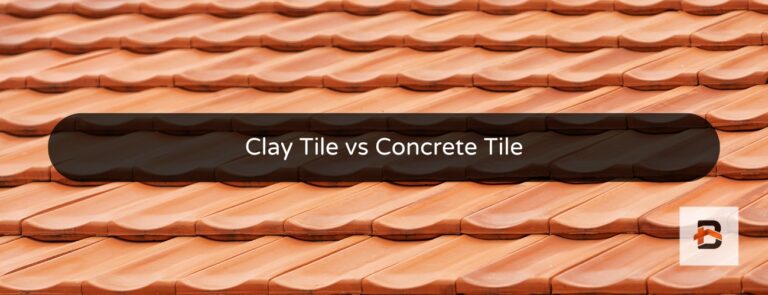
Tile roofing is a roofing system made from individual tiles crafted from clay, concrete, or slate. Clay tiles are naturally durable and resistant to fire, while concrete tiles provide extra strength and flexibility in design with a lifespan of 70+ years. Slate tiles are premium, long-lasting, and will endure over 100 years with proper maintenance.
There are various types of roofing tiles, including flat, curved, and interlocking styles. This allows you to achieve different aesthetic looks for your home. Their long lifespan and design versatility make tile roofing a popular choice if you’re seeking lasting protection and visual appeal.
Typical Uses of Tile Roofing Systems
Tile roofing works well in specific settings and offers versatile applications. Common uses include:
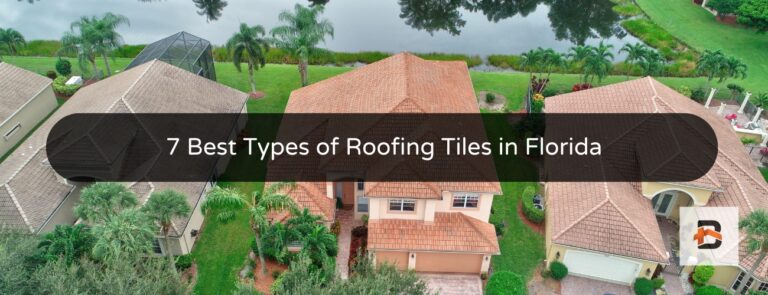
- Upscale residential homes or properties with Mediterranean, Spanish, or historic architecture
- Areas with sunny, humid, or coastal climates where durability is a priority
- Long-term investment or “dream roof” projects where a high-quality, lasting roof is desired
Advantages of Tile Roofing Material
Tile roofing offers several advantages that make it a premium choice if you’re seeking long-lasting performance and style. Key benefits include:
- Exceptional longevity that will outlast multiple shingle roof lifespans
- Excellent heat resistance and energy efficiency thanks to thermal mass properties
- High curb appeal with a wide range of styles and colors that boost home value
- Resistant to rot, insects, salt, and UV damage, requiring very little maintenance
- Environmentally friendly, often made from natural and recyclable materials
Disadvantages of Tile Roofing Material
Tile roofing has some drawbacks that you should consider before choosing it for your roofing project. Main limitations include:
- Very heavy and requires extra structural support that adds to the overall roofing cost
- Higher cost per square foot with labor-intensive installation
- Brittle and prone to cracking if walked on
- Repairs are complex in order to maintain waterproofing
- Longer project timeline and not always suitable for all roof types or pitches
Key Differences to Consider
When deciding between a shingle vs tile roof, it helps to compare the two side by side to get a complete picture.
Weight and Structural Impact
Shingle roofs are lightweight and usually don’t require structural upgrades. Tile roofs are much heavier and often need additional structural support, which increases project complexity and cost. Homeowners should consult with a roofing expert to ensure the roof deck and framing will handle the added weight of tiles.
Installation Process and Timeline
Shingle roofs are faster and easier to install, often completed within one to two days, depending on the roof size. In some cases, a new asphalt shingle roof can be applied over an existing roof, saving on removal and disposal costs.
Tile roofing takes longer to install, usually several days or more, because each tile must be carefully set and aligned. Old roofing materials must be removed before installation, which adds time and disposal costs. The added weight of tiles also means structural checks or upgrades would be required before work begins.
Lifespan and Long-Term Value
Shingles typically last 15 to 30 years, depending on quality and climate, meaning replacements will be needed multiple times over a tile roof’s life. Tile roofing will last 20 to 70+ years, offering long-term value despite higher initial costs. Investing in a tile roof reduces future roof replacement costs and maintenance expenses.
Energy Efficiency and Heat Management
Tile roofs absorb and release heat slowly thanks to their thermal mass, improving energy performance in hot climates. Shingles heat up and cool down more quickly, which makes them less energy efficient overall. Reflective shingle options are available, but still don’t match tile’s natural insulation properties.
Climate Suitability
Tile roofs excel in regions with hot sun, high humidity, heavy rain, and salt exposure because they resist rot, UV damage, and corrosion. Shingle roofs remain the standard nationwide and perform well in moderate climates, but they’ll wear faster under harsh conditions like Florida’s storms and heat.
Hurricane Readiness
Modern asphalt shingles in Florida must meet minimum wind ratings, typically 110 to 130 mph. Higher-rated shingles, often labeled as Class H, provide stronger resistance to uplift but still remain vulnerable to extreme hurricanes.
Tile roofs will withstand very high winds if properly installed with reinforced fastening systems. However, individual tiles become dangerous projectiles if dislodged. This factor makes professional installation and inspection critical for hurricane zones.
Maintenance and Repair Needs
Shingle roofs are easy and inexpensive to repair, though they will require more frequent replacements. Tile roofs need minimal maintenance, but repairs are more complex and must be done carefully to maintain waterproofing. Proper care ensures long-term protection for both roof types.
Design and Curb Appeal
Tile roofs provide a unique aesthetic appeal with varied colors, shapes, and textures that enhance a home’s style. Shingles are more common and versatile but offer less visual distinction. Homeowners choosing tile often do so for long-term curb appeal and architectural authenticity.
Cost and Budget
Shingle roofs are generally more budget-friendly upfront. Asphalt shingles typically range from $4 to $15 per square foot for material costs, plus installation. Tile roof costs are higher, usually $8 to $25+ per square foot, plus labor-intensive installation costs.
Environmental Impact
Tile roofs are often made from natural, recyclable materials, reducing environmental impact over time. Shingle roofs generate more waste and have limited recycling options, though some manufacturers offer recycling programs. Choosing tile is a greener option for eco-conscious homeowners.
Tile vs Shingle: Which Roof Is Right for Your Home?
Choosing between a shingle vs tile roof depends on your budget, home structure, and long-term plans. Shingles offer low upfront cost and fast installation, but have a shorter lifespan. Tile requires higher investment and a stronger structure, but lasts much longer and adds distinct curb appeal to your home.
Tile tends to perform better in hot and humid conditions, though shingle roofs remain popular due to ease of installation and affordability. Consider heat resistance, structural needs, energy efficiency, and maintenance when choosing. Talking with a local roofing contractor will help you match the right roofing material to your home’s style, climate, and budget.