How to Determine the Age of Your Roof
Determining your roof’s age is key to knowing when it needs repairs, maintenance, or a full replacement. If you’re unsure how old it is, there are reliable ways to find out. Use these steps to uncover your roof’s date of installation or estimate its remaining lifespan.
1. Review Home Sale Records
Your closing paperwork or home inspection report may list the roof’s age. Real estate disclosures often include the date of the last roof replacement or major roof repair.
2. Check Warranties and Insurance Policies
If you have the roof’s warranty documents, they can help you determine when it was installed. Manufacturer and contractor warranties often list the start date, which gives a reliable age estimate.
Check your homeowner’s insurance policy, too. Florida insurers require roof replacements at certain age thresholds, especially for asphalt shingle roofs.
3. Ask the Previous Owner or Their Realtor
If you recently bought the home, the seller or their realtor may still have roofing paperwork. Ask for receipts, warranty documents, or past insurance records that state the roof’s installation date.
Even if they don’t have paperwork, they may remember when the roof was replaced or which company did the work. That will help you track down the installation date and potentially enable you to get a copy of the original invoice.
4. Contact Local Roofing Companies
If the previous owner doesn’t remember who did the roof, contact roofing companies in the area. Most homeowners use local roofing contractors, and one may have your address on file. Professional roofing companies keep detailed records, including the date of installation and the roofing materials used.
5. Check Building Permits
Building permits are required for full roof replacements in Florida. A record will also be on file with the local building department if your roof was replaced after a hurricane or storm event.
Ask for permits tied to your address. The permit will show the installation date, roofing materials used, and which roofing company completed the job, or if it was done by the homeowner. It also confirms the work was done properly and inspected.
6. Ask Your Neighbors
If you live in a subdivision, nearby homes likely had their roofs installed around the same time. That gives you a rough estimate of the age of your roof.
Long-term neighbors may also remember if your roof has ever been replaced. In Florida, many homes are reroofed at the same time after hurricanes, so their roof was likely replaced around the same time as yours.
7. Inspect Your Roof for Signs of Wear
Checking for visible wear helps you estimate the age of your roof. Different materials show age in distinct ways, so focus on what applies to your roof type. For safety, inspect only from the ground or a secure ladder—never walk on your roof.
Asphalt Shingles
Asphalt shingles last 20 to 30 years in states with moderate climates. But in Florida’s intense sun and humidity, their lifespan is closer to 15 to 25 years.
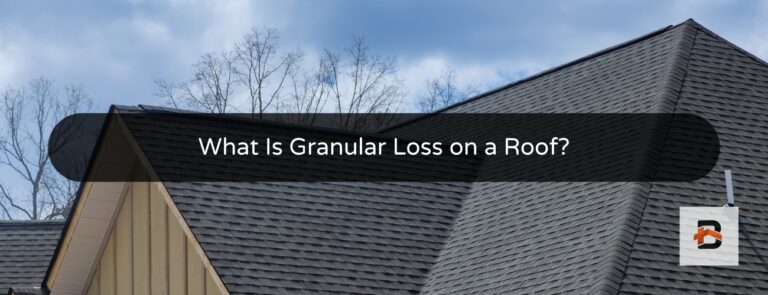
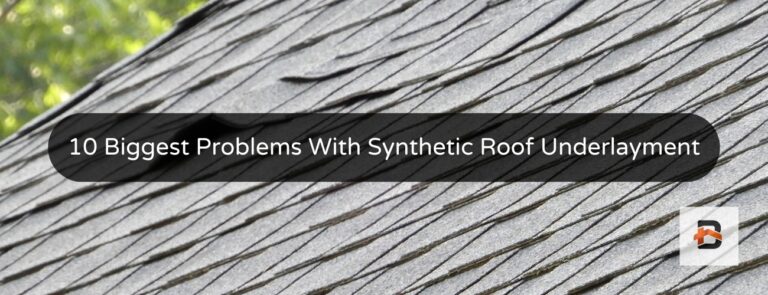
Inspect your asphalt shingle roof and look for curling shingles or cracked edges, loose or missing shingles, and bald spots where granules have worn off. Granule loss often collects in gutters or downspouts, making that an important place to check. Dark streaks or algae growth on the shingles indicate moisture retention and aging.
Metal Roofs
Metal roofs last 25 to 50 years in Florida, but signs of wear can help you estimate their current age. Deterioration begins 20 to 30 years after the metal panels are installed, especially in harsh climates like Florida’s. If you see faded paint, rust patches, or peeling at the seams, your roof may be two to three decades old.
Loose or missing fasteners signal decades of thermal expansion and contraction. Sagging or water pooling are warning signs that serious wear has set in. When you spot these issues, it’s a strong indicator that your metal roof is in its mid-to-late life.
Tile Roofs (Clay or Concrete)
Concrete tile roofs last 20 to 40 years in Florida. Clay tile roofs can last over 70 years if they are installed correctly and maintained on a regular basis.
The underlayment beneath tile roofs often fails much sooner. Florida tile roofs need underlayment replacement after 20 to 30 years, even if the tiles still look fine on top. If you see slipping tiles or exposed flashing, the roof may be approaching that underlayment limit.
Cracked or broken tiles also point to aging, especially when combined with stains or moss along the eaves. These signs indicate your roof is between 20 and 30 years old, typically when the underlayment starts to fail.
8. Schedule a Professional Roof Inspection
If you still can’t determine your roof’s age, then the best option is to schedule a roof inspection. An experienced roofing contractor will evaluate your roof’s signs of wear, materials used, and local weather exposure to give you an estimate. They’ll also identify hidden damage that might not be obvious from the ground.
In Florida, this step is especially important. Many insurers limit coverage for roofs that are over 15 to 20 years old. Older roofs may only qualify for actual cash value (ACV) coverage or be ineligible altogether.
A study found that roofs older than 20 years are significantly more likely to suffer wind damage, making accurate age assessments critical for storm prep and insurance coverage.
Why Knowing Your Roof’s Age Matters
Knowing your roof’s actual age isn’t just helpful, it’s necessary at times. Here’s why.
Insurance Coverage
Florida insurance companies often limit or drop coverage for older roofs. Insurance companies are tightening their rules, and many won’t insure older roofs without high premiums or actual cash value (ACV)-only policies. Knowing your roof’s age helps you avoid sudden premium hikes, coverage limits, or policy cancellations.
Some insurers now use drones to check the condition of the roof before approving policies. As Todd Rissel, the CEO of e2Value, put it: “If you don’t know the condition of the roof, your insurance company’s going to figure it out pretty quickly.”
Home’s Resale Value
Buyers will ask about the roof’s age when purchasing your home. A roof that is over 15 to 20 years old could stall the sale. Lenders may not approve the mortgage if insurers flag the roof as too old to cover.
If your roof is newer and you can prove its age with records, you’ll have stronger negotiating power and fewer delays.
Maintenance Planning
Roofs need more frequent inspections, maintenance, and minor repairs as they age. Knowing your roof’s lifespan and current age will help you plan ahead and avoid costly emergency repairs. It also lets you know when it’s time to budget for a full roof replacement.
Warranty and Repair Claims
Knowing your roof’s age protects your warranty rights. Most roofing warranties cover 20 to 50 years, but only if you know your roof’s installation date. Without proof of when the roof was installed, you’ll miss out on what could have been a valid claim.
Signs Your Roof Needs Replacing
You’ve inspected your roof to determine its age and found a few troubling signs. Some wear is normal, but certain red flags point to a roof that’s reaching the end of its lifespan and needs to be replaced.
- Curling or Cracked Shingles: Curling or cracked shingles mean the surface layer has broken down. Once that happens, your roof can’t keep out water the way it should. If you see this across large areas, your roof is aging out and needs replacement.
- Loose or Missing Roofing Materials: Whether it’s shingles, fasteners on a metal panel, or cracked tiles, missing or loose pieces expose your roof to serious water damage. If you find blown-off shingles in the yard or hear metal panels flapping in storms, your roof may no longer hold up under Florida’s extreme weather. For tile roofs, loose or slipping tiles often signal underlayment failure.
- Granule Loss or Surface Erosion: Bald spots or granules piling up in the gutter mean shingles are shedding their protective layer. On metal roofs, fading or chalking is a similar sign of age. Either way, the surface is no longer shielding your home from the sun and rain and should be replaced.
- Flashing Damage: Flashing protects joints and edges, like around chimneys, vents, valleys, and skylights. Rusted, warped, or lifting flashing means water can get in. On an aging roof, flashing failure means the whole roof system is breaking down.
- Sagging or Soft Spots: A sagging roofline or spongy spots underfoot indicate rot in the roof deck. This applies across all roof types. At that stage, a full replacement is the only option.
- Stains, Algae Growth, or Moss: Widespread discoloration, algae streaks, or moss growth show your roof is holding moisture. Asphalt shingles lose granules faster in these conditions. On tile and metal, the moisture signals that the protective coating or underlayment is failing.
- Rotting or Discoloration in the Attic: If you see dark stains, sagging wood, or soft spots on the underside of the roof deck, moisture has made its way in. This means the roofing above has failed. Rot inside the attic points to long-term leaks and signals it’s time for a full roof replacement.
Know Your Roof’s Age and Avoid Costly Surprises
Aging roofs don’t always show obvious signs until it’s too late. Taking time to determine your roof’s age helps you stay ahead of leaks, storm damage, and costly emergency repairs.
If you’re still unsure or spot signs of wear, call a professional roofer for a full inspection. It’s a small step that will help you protect your home and your wallet.