What Is the Best Roof Shape for High Winds?
The best roof shape for high winds is a hip roof because its four sloping sides let wind flow over the roof instead of pushing against flat or vertical surfaces. This design spreads wind forces evenly across the roof, improving stability and reducing the risk of wind damage in high-wind areas.
Why Roof Shape Matters in High Winds
Roof shape matters in high winds because it determines how wind moves across a building. Aerodynamic roofs allow wind to pass over easily, while flat surfaces, vertical surfaces, sharp ridges, or abrupt transitions trap air and create stress points.
Understanding how wind forces act on different roof shapes helps homeowners and roof installers choose designs that minimize uplift and maintain stability during storms. Selecting the right roof shape for a new roof installation reduces the chance of localized failure and costly damage from high-wind events.
How Wind Uplift Works
Wind uplift is the upward force created when air pressure under a roof is higher than the pressure above it. As wind flows over the roof, the pressure on top drops while internal air pressure rises due to air entering through gaps and openings. This difference in pressure lifts roofing materials or even the entire roof if the force is strong enough.
Insight: This short explainer video illustrates wind uplift mechanics and explains why roof shape is crucial for high-wind protection.
Roof Vulnerabilities to High Winds
Wind forces concentrate at a roof’s corners, peaks, valleys, and overhangs—areas most vulnerable to storm and wind damage. Complex rooflines with multiple ridges, valleys, or dormers create turbulence, producing pressure points that lift roofing materials and stress the roof structure. Simple, sloped roof designs distribute wind loads evenly, reducing localized stress and improving structural stability.
Roofs with flat surfaces or abrupt transitions are particularly at risk because they trap wind and amplify pressure on the structure. A roof that effectively manages wind pressure often means the difference between minor roof damage and catastrophic failure during high-wind events.
Hip Roofs: The Most Wind-Resistant Roof Shape
Hip roofs are highly effective in withstanding high winds because their sloping sides reduce the sail effect that lifts roofs during storms. The sides meet at a central ridge, creating a compact four-sided design that limits exposure at the corners and edges, which are common failure points in high winds.
Wind tunnel testing comparing hip roofs and gable roofs shows that peak wind pressures on hip roofs are up to 50 percent lower than on gable roofs. According to the US Department of Energy’s Building America program, this reduction in pressure and uplift helps hip roofs maintain structural integrity during extreme weather events.
Pyramid Hip Roofs
Some hip roofs use a pyramid shape for even greater wind resilience. These roofs have all sides sloping equally to a single point, eliminating ridge lines that sometimes create turbulence. Pyramid hip roofs handle wind from multiple directions more effectively, making them ideal for regions with unpredictable high-velocity gusts.
Gable Roofs and the Sail Effect
Gable roofs are the least expensive to build, which helps explain why they’re the most common residential roof shape in the United States. In wind-prone areas, however, the initial savings come at the cost of increased wind vulnerability and damage risk.
They have two sloping sides that meet at a ridge, forming an inverted “V” with triangular end walls called gables. These large, flat gable ends catch winds like sails, often lifting roofing materials or even the entire roof. The triangular ends and overhanging eaves concentrate pressure on the roof’s peak and edges, increasing the risk of failure during storms.
Pro Insight: Structural reinforcements, like bracing and wind-rated fasteners, improve gable roof performance. However, they don’t eliminate the inherent wind vulnerability created by large, flat gable ends.
Roof Design Considerations: Pitch and Overhangs
Designing a roof with the correct roof pitch and overhang length plays a key role in improving the roof’s wind resistance.
Roof Pitch
Roof pitch changes how wind flows over a roof, increasing or reducing uplift forces. Steep slopes catch more wind, raising pressure on asphalt shingles and metal roofing panels. Moderate slopes around 30 degrees allow wind to flow smoothly, reducing stress on roofing materials.
Roof Overhangs
Roof overhangs affect how wind applies leverage at edges and corners. Long overhangs increase uplift forces, while shorter overhangs, typically under 20 inches, reduce uplift pressure. Hip roofs naturally limit exposed overhang length, which enhances wind resistance.
Roof Shape vs Roofing Materials
Roof shape controls how wind hits and moves across a building. Roofing materials protect the structure once these forces are properly managed. Even the best roofing materials can’t prevent damage if the roof shape concentrates wind pressure and allows uplift. A well-designed hip roof distributes wind loads first, allowing the roofing materials to perform effectively.
Roof Shape Performance in Tornado and Hurricane Zones
Hip and pyramid hip roofs perform well in both tornado and hurricane zones because their sloping sides and compact design spread wind forces evenly. Coastal zones face sustained hurricane-force winds, which put continuous pressure on roofs. Tornado-prone areas experience short, extreme gusts that create sudden uplift and stress on edges and corners. These roof shapes reduce pressure on vulnerable areas, lowering the risk of wind damage in both types of high-wind conditions.
FAQs
Here are answers to common questions about roof shapes and wind resistance.
What roof shapes besides hip roofs resist high winds well?
Hip roofs are the most wind-resistant, but other shapes perform adequately based on their design and exposure. For example, low-slope roofs with minimal overhangs reduce uplift, while round or dome roofs let wind flow smoothly around the building. The key is a compact, sloped design that avoids large flat surfaces or vertical walls that catch the wind like sails.
Which roof shapes are most vulnerable to hurricane-force winds?
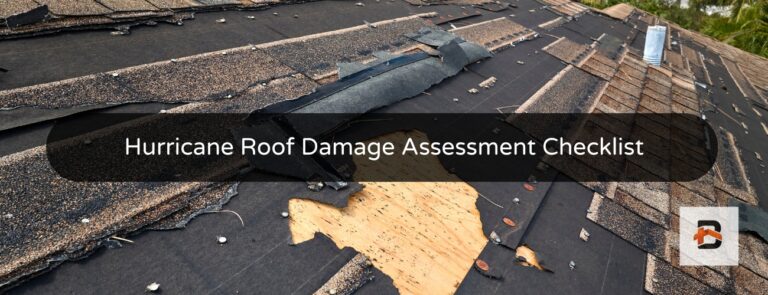
Roofs with large flat surfaces, steep slopes, or multiple transitions are most vulnerable to hurricane-force winds. These include gable, mansard, flat, and multi-ridge designs with dormers or valleys. After a high-wind event, these roofs should have a roof damage assessment to check for leaks and structural issues.
Do building codes require specific roof shapes in hurricane zones?
Building codes don’t mandate a specific roof shape in hurricane-prone regions, but they require roofs to meet wind-resistance standards. Codes often specify roof angles, tie-downs, and fastening methods to reduce uplift. Hiring a qualified professional ensures your roof meets local building code requirements while maximizing wind resistance.
Can my existing gable roof be made more wind-resistant?
Yes, gable roofs are able to be made more wind-resistant with hurricane straps, gable-end bracing, upgraded fasteners, and shorter overhangs. Have a professional roofer assess your roof and recommend targeted upgrades to improve wind resistance.
Hip Roofs: The Smart Roof Design for High-Wind Areas
Choosing the right roof shape is key to protecting your home in high-wind areas. Hip roofs, especially pyramid designs, spread wind forces evenly and reduce pressure on corners, edges, and overhangs, maintaining structural integrity.
Even the strongest roofing materials will fail on poorly designed roofs. Prioritizing roof shape, pitch, and overhang length reduces wind uplift and damage, providing long-term protection for your home in high-wind regions.