Aluminum vs Steel Roofing
Homeowners need to weigh factors like durability, corrosion resistance, structural impact, and cost when deciding between aluminum vs steel roofing. Both roofing metals offer unique advantages that make them better suited for specific climates and project requirements. Knowing these key differences helps you select a roof that lasts longer, performs better, and fits your home’s needs.
What Is Aluminum Metal Roofing?
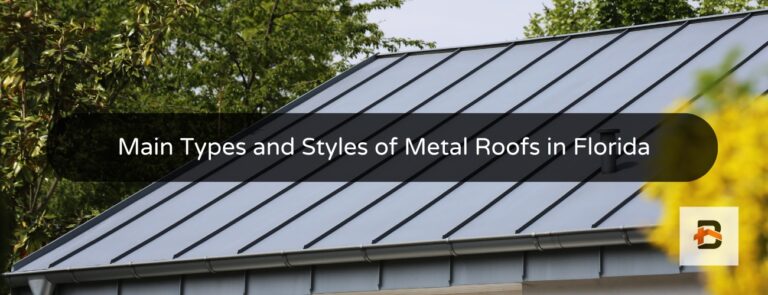
Aluminum roofing is a lightweight roofing material that’s strong and has a long lifespan. It resists rust and corrosion naturally, making it an excellent choice for roof installations in coastal and humid climates like those found in Florida. Aluminum is manufactured in several roofing styles, including standing seam panels, metal shingles, and tiles.
Common Uses of an Aluminum Metal Roofing System
Aluminum roofing’s lightweight design makes it a practical choice for structures that can’t support heavier roofing materials. Its versatility allows it to fit a wide range of roof designs and building types, from traditional homes to modern commercial structures. This makes it a popular choice for both residential and commercial projects.
Applications include:
- Residential homes or commercial structures in coastal areas
- Commercial buildings that need long-term durability
- Agricultural buildings and barns with wide roof spans
- Homes or structures requiring a lightweight roofing solution
- Energy-conscious projects needing reflective, heat-resistant surfaces
Pros of Aluminum Roofing
Aluminum roofing offers several advantages that make it stand out among metal roofing materials. These benefits help explain its popularity in coastal and high-moisture regions.
- Naturally corrosion-resistant, even in salty coastal air
- Lightweight, reducing stress on the building structure
- Strong enough to withstand hurricane-force winds, matching steel’s wind resistance
- Resistant to fire, with a high melting point that allows it to withstand extreme heat without burning
- High reflectivity improves energy efficiency and lowers cooling costs
- Comes in many styles and colors, so it matches different home designs
- Long lifespan of 25 to 50+ years with minimal maintenance requirements
- Recyclable and considered an eco-friendly roofing material
Cons of Aluminum Roofing
Despite its strengths, aluminum roofing also has some drawbacks that you should consider before starting a roofing project.
- Higher material cost per square foot compared to steel or asphalt shingles
- Softer metal, making it more prone to denting from hail, falling tree branches, or storm debris
- Prone to oil canning (visible waviness) if not properly installed
- A slightly smaller color range compared to steel roofing finishes
- Expands and contracts with temperature changes, so professional installation is always recommended
What Is Steel Metal Roofing?
Steel roofing is a strong and durable metal roofing material made from iron and carbon. It’s heavier than aluminum but offers better impact resistance. This type of metal roof is commonly used in both residential and commercial buildings because of its strength and affordability.
Common Uses of a Steel Metal Roofing System
Steel roofing works well for many building types and climates. It’s often chosen for projects that need toughness at a lower cost.
Applications include:
- Residential homes that need affordable long-term protection
- Commercial buildings that require strength against heavy loads or impacts
- Agricultural barns and sheds that are exposed to tough weather
- Industrial facilities needing fire-resistant roofing
- Structures in hail-prone areas that benefit from steel’s impact resistance
Pros of Steel Roofing
Steel roofing offers several benefits that make it a popular choice for both homes and businesses. Its combination of strength and affordability sets it apart from other roofing materials.
- Exceptional impact resistance, making it ideal for hail-prone areas
- Lower cost compared to aluminum and many other premium roofing options
- Comes in different thicknesses (22–29 gauge), with 24 and 26 gauge being the most common for homes
- Wide availability in panels, shingles, and standing seam systems
- Comes in a variety of colors and styles, making it easy to match your home’s design
- Reflective finish options help lower your energy bills by deflecting sunlight and reducing summer heat gain
- Strong fire resistance for added safety
- Lasts 25 to 50+ years with proper installation and regular maintenance
Cons of Steel Roofing
Despite its advantages, steel roofing has some drawbacks that affect performance and maintenance needs. These factors are especially important for homeowners in coastal or humid regions, such as Florida.
- Prone to rust if it doesn’t have protective coatings like galvanization or paint
- Heavier weight puts more stress on certain structures and increases labor costs since installation is slower and more difficult than aluminum roofing
- More vulnerable to corrosion in salty coastal environments
- Thermal movement causes expansion, contraction, or oil canning
- Requires ongoing maintenance to keep coatings intact and prevent rust
- Vulnerable to scratches from storm debris, which leads to rust if not promptly touched up with paint
- Higher cost than asphalt shingles, with pricing that fluctuates depending on steel market conditions
Factors to Consider
Several key factors influence whether aluminum or steel is the better choice for your home. Considering these elements will help you make an informed decision and ensure your roof meets both performance and budget needs.
Corrosion Resistance
Aluminum offers natural corrosion resistance, making it the best option for coastal and humid environments. Steel requires protective coatings like galvanized or galvalume to slow rust, but these coatings wear down over time. If you live near saltwater or in Florida’s high-humidity climate, aluminum roofing delivers longer protection with less maintenance.
Selecting the right metal roofing is especially important in coastal and humid environments where moisture and salt exposure quickly break down inferior roofing materials. Proper installation by an experienced roofing company is just as important. Mistakes such asovertightened fasteners, unprotected cut edges, or poor drainage design will shorten the lifespan of even the highest-quality metal roof.
Weight and Structural Impact
Steel roofing is about three times heavier than aluminum. The extra weight provides strength and dent resistance, but puts more stress on the building structure. Aluminum’s lighter weight makes it easier to install and ideal for retrofits or older homes that can’t support heavier materials.
Dent Resistance and Impact Protection
Steel is harder and less prone to denting from hail, tree branches, or foot traffic. Aluminum is softer and more likely to show dents, though using thicker aluminum panels reduces this risk. In hail-prone areas, steel is usually the better choice.
Noise Reduction and Sound Dampening
Aluminum roofing tends to transmit sound more than steel, so rain and hail are a little more noticeable on an aluminum roof. Steel’s denser panels naturally dampen noise, providing a quieter indoor environment during storms. Using the right underlayment under a metal roof will reduce noise and make your indoor spaces quieter and more comfortable during heavy rain or hail.
Energy Efficiency and Heat Reflection
Both aluminum and steel reflect heat and are considered energy-efficient roofing options. Aluminum cools down faster after sun exposure, which helps lower energy bills in hot climates. Steel retains heat a bit longer but still performs well when equipped with reflective coatings.
Studies show that reflective metal roofing reduces air conditioning electricity use by an average of 19 percent (page 2). This makes metal roofing a smart choice for homeowners in hot and humid regions.
Wind Resistance and Performance
Both aluminum and steel roofing will withstand strong winds when correctly installed. Aluminum is lightweight yet engineered to resist hurricane-force winds, while steel’s weight and rigidity provide added stability in severe weather.
Lifespan and Durability
Both steel and aluminum roofing systems will last up to 50 years with proper installation and care. However, aluminum maintains its durability better in salty or humid climates because its oxide layer protects against ongoing exposure. Steel performs well inland but will start to rust faster if its coating gets damaged and isn’t repaired promptly.
Cost Considerations
Aluminum is more expensive than steel, often by 20–30 percent per square foot. Steel is the more budget-friendly choice for large projects or inland properties. Aluminum costs more, but it’s worth it in coastal areas because it lasts longer and needs less upkeep.
Environmental Impact and Sustainability
Aluminum is one of the most sustainable roofing materials available. Recycling aluminum requires only 5 percent of the energy needed to produce new aluminum from ore, making it exceptionally energy-efficient and eco-friendly. Steel is also recyclable, but aluminum’s lower energy footprint makes it the greener choice for environmentally conscious homeowners.
Rainwater Collection and Runoff
Aluminum’s natural corrosion resistance keeps it stable and reduces the risk of harmful runoff over time. Steel depends on protective coatings, which wear down and leach into the collected rainwater. For homeowners using rainwater harvesting or prioritizing safe runoff, aluminum offers a cleaner and more reliable option.
Which Metal Roofing System Is Right for You?
Choosing between aluminum and steel roofing comes down to understanding your priorities and environment. Aluminum excels in coastal and humid areas thanks to its natural corrosion resistance and energy efficiency. Steel roofing stands out for its impact resistance, affordability, and range of style and gauge options.
Both metals provide long-lasting protection when correctly installed by a skilled roofing contractor. Differences in corrosion and impact resistance, structural impact, upkeep, and cost will guide your decision. Looking at these factors and speaking with a roofing expert will help you choose the best roofing material for your home.