What Is Included in Roof Replacement?
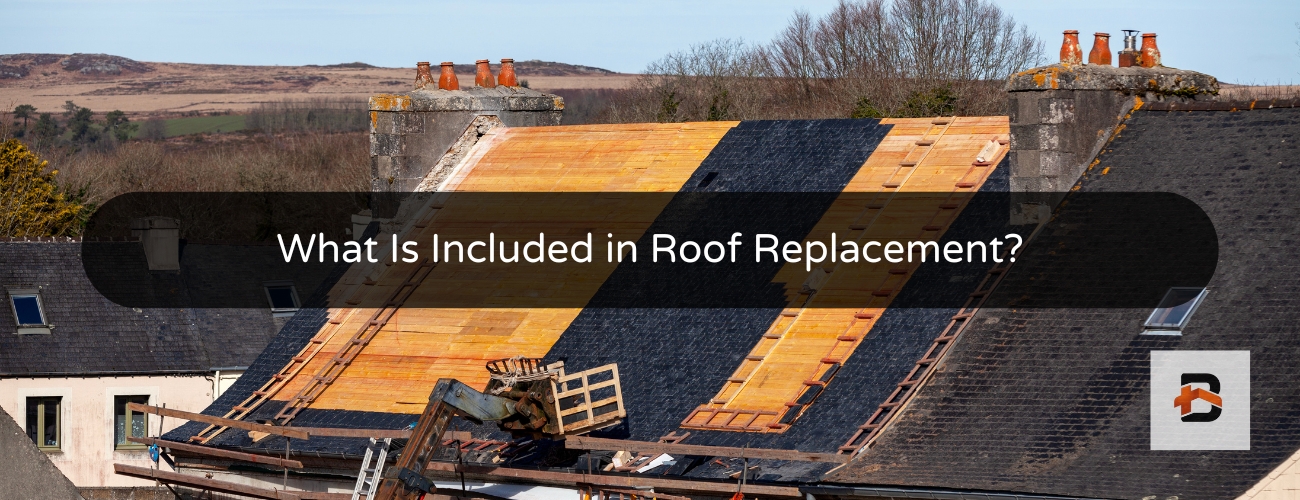
A roof replacement is a complete upgrade of your home’s roofing system. The process covers everything from inspecting the existing roof and removing old materials to installing underlayment, flashing, vents, and the new roofing material. The following outlines what’s included in a roof replacement process to help you prepare for the project and understand the full scope of work involved.
Initial Roof Inspection
A professional inspection checks your existing roof and identifies issues that need correction before or during the roof replacement. Professional roofing contractors assess vents, flashing, pipe boots, and drip edges to determine what needs to be replaced. While the roof deck can’t be fully evaluated until tear-off, inspectors look for warning signs like sagging, soft spots, or water stains to minimize surprises during installation.
Material Selection
After the inspection, the contractor helps you choose the best roofing materials for your home. Factors include your local climate, roof style, budget, and desired lifespan. Selecting the right material ensures your new roof is durable, energy-efficient, and suitable for your region’s weather conditions.
Tear Off and Removal
The roofing crew strips off the old roofing material, underlayment, and any damaged components down to the roof deck. All debris is collected, placed in a trailer or dumpster, and hauled off the property for proper disposal. The clean surface allows the new roof system to adhere correctly and prevents hidden issues from affecting the installation.
Roof Deck / Sheathing
The roof decking, also known as sheathing, provides the solid surface that supports all the roofing materials. Roofers expose the entire roof deck during the tear-off stage and inspect it for rot, softness, structural weakness, or damage. Any compromised plywood or oriented strand board (OSB) is removed and replaced to ensure a sturdy foundation for your new roof.
Underlayment
Underlayment is used to create a water-resistant barrier directly over the roof deck. This layer protects the decking from moisture, wind, and other elements if water gets under the shingles. Roofers often use synthetic underlayment or an ice and water shield over the whole roof for stronger tear resistance, safer traction, and better overall protection than traditional felt.
Roofing Material Installation
Roofing material installation adds the visible top layer that protects your home. Roofers install the roofing materials you have selected, such as asphalt shingles, metal panels, or tiles.
Asphalt shingles remain the most common option in the United States. They are used in 80% of residential roofing projects. However, other materials offer different levels of durability, energy efficiency, and wind resistance, making them a better choice in states with extreme weather conditions.
Flashing
Flashing seals vulnerable areas where water has the potential to enter. New metal flashing is installed around chimneys, walls, valleys, and roof penetrations like vents and skylights.
Properly installed flashing directs water away from these joints, preventing leaks and protecting your home from water damage. Common flashing metals include galvanized steel, aluminum, and copper, with steel being the most popular for its durability and affordability.
Pipe Boots
Pipe boots seal the plumbing vent pipes that penetrate the roof. Roofers install new boots or replace worn ones to create a watertight seal and stop leaks at these high-risk areas. Durable materials like metal and flexible rubber ensure a secure fit that protects the roof from water intrusion.
Drip Edge
Metal drip edges are installed along the eaves and rake edges to direct water away from the fascia and into the gutters. Properly installed drip edges prevent water from entering at the roof’s edge and rotting the roof decking and wood components. They’re usually required by building codes to ensure your roof passes inspection.
Ridge Capping
Ridge capping seals the roof ridge where two roof planes meet. Ridge cap shingles or metal caps are installed over the ridge to prevent water and wind from entering the roof. It also improves the roof’s appearance and provides a finished, weatherproof seal along the peak.
Ventilation Components
Ridge, static, and soffit vents work together to maintain proper airflow in your attic, keeping your roof system energy-efficient. A typical family of four produces 2 to 4 gallons of water vapor daily from activities like showering, cooking, and breathing. Proper ventilation using roof vents prevents that moisture buildup, reduces the risk of ice dams, lowers energy bills, and extends the life of your roofing materials.
Fasteners and Sealants
Nails and fasteners secure roofing material, drip edges, and flashing. Sealants and adhesives are applied around penetrations, flashing joints, and transitions. Using high-quality materials and professional installation ensures your roof remains durable, leak-resistant, and long-lasting.
Cleanup and Final Inspection
After installation, any leftover or old material is removed from the roof and yard to leave your property safe and debris-free. A final inspection ensures all materials are properly installed, vents and flashing are sealed, and the new roof meets building codes and manufacturer standards.
FAQs
These are common questions that customers have when enquiring about a roof replacement.
How much does a roof replacement cost?
Roof replacement costs vary widely by roof size, material, labor, and location. For example, the average new roof replacement cost in Florida ranges between $9,000 and $15,000.
How long does a roof replacement take?
Most roof replacements take about one to three days for an average-sized home. Larger or more complex roofs take longer, depending on design, weather, and material type.
Should I replace rain gutters with my roof replacement?
Many homeowners replace rain gutters during a roof replacement to ensure they work with the new roofing system. In climates like Florida’s, rain gutters are necessary and must be in good condition to handle the heavy rains and protect the home.
What are the signs that I need a roof replacement versus a repair?
Common signs that a full roof replacement is needed include missing or curling shingles, leaks, sagging areas, water stains in the attic or ceiling, or an increase in energy bills.
How long does a roof replacement last?
The lifespan of a roof replacement depends on several factors, including the material, local climate, installation quality, and maintenance. For example, a roof’s lifespan in Florida is 15 to 25 years for asphalt shingles, while tile roofing lasts 20 to 40 years.
Every Step of a Roof Replacement Matters
A roof replacement involves multiple steps to ensure the entire roofing system provides long-lasting protection. From inspecting the deck to installing proper water barriers and ventilation, every stage is essential for a strong, reliable roof.
The choice of materials and quality of installation directly impact the roof’s performance and lifespan. A well-executed roof replacement gives homeowners peace of mind, knowing their home is protected from the elements.