Best Roofing Materials for Florida Homes
Homeowners considering the best roofing material for Florida homes must consider durable options that can withstand the state’s severe and often unpredictable weather. Florida’s high winds, intense UV exposure, and tropical climate pose special challenges that must be met to ensure long-lasting roof performance.
High-quality materials and expert installation are two of the most important factors that will impact the durability and reliability of your roof over its lifespan. A trusted local roofing contractor will be able to recommend materials based on the weather conditions in your area, your budget, and any considerations that are specific to your home, HOA, or neighborhood.
Shingles
Shingle roofing remains a highly practical and popular choice for Florida homeowners due to its balance of affordability, durability, and versatility. Modern shingles offer enhanced wind resistance and many are designed with reflective granules to mitigate the intense solar heat. This plays an important role in reducing cooling costs.
Shingles’ ease of installation and repair makes them a convenient option for Florida’s fluctuating weather patterns. The wide array of styles and colors available allows homeowners to achieve their desired aesthetic while maintaining reliable protection.
Roof shingles also come in a range of different materials. The material you choose will significantly impact your shingles’ performance, lifespan, and cost.
Asphalt Shingles
Asphalt shingles maintain their stronghold as a top roofing choice in Florida due to their exceptional blend of affordability, adaptability, and proven performance. The initial cost of asphalt shingles is significantly lower than alternatives like metal or tile, making them a budget-friendly option for a broad range of homeowners. Furthermore, advancements in shingle technology have yielded products specifically designed to withstand Florida’s unique weather challenges.
Beyond their resilience, asphalt shingles offer unmatched versatility and ease of maintenance. The wide variety of styles, colors, and textures available allows homeowners to customize their roofs to complement any architectural design, enhancing curb appeal without sacrificing functionality. Damaged shingles are also easily replaced, minimizing repair costs and extending the roof’s lifespan.
Pro tip: Asphalt shingles aren’t as durable as more premium materials like slate or tiles. This means proper maintenance, including annual roof inspections, is required to ensure your roof’s dependability in the long term.
3-Tab Shingles vs Architectural Shingles
3-tab and architectural shingles represent distinct tiers in asphalt roofing, differentiated primarily by their construction and aesthetic appeal. 3-tab shingles, the traditional and more economical option, are characterized by their uniform, flat appearance and three distinct tabs, offering basic weather protection.
Architectural shingles, AKA dimensional or laminate shingles, feature a multi-layered design that creates a thicker, more textured appearance. This layered construction provides enhanced durability, wind resistance, and a longer lifespan compared to 3-tab shingles, though they come at a higher initial cost.
Slate Shingles
Slate roofs are excellent for Florida homeowners looking for a visually stunning and remarkably resilient option. Slate is capable of withstanding Florida’s harsh UV radiation, torrential rains, and hurricane-force winds while its natural composition makes it impervious to rot, insects, and fire.
Slate’s longevity—easily capable of lasting a century or longer—translates to long-term cost savings. This offsets the initial expense and provides homeowners with unparalleled peace of mind in a state known for its extreme weather events.
Furthermore, slate’s natural beauty and timeless elegance elevate a home’s curb appeal, adding significant value and distinction. The varying textures and colors of natural slate create a visually captivating roof that ages gracefully and enhances the architectural character of your property.
Solar Roofing
Solar asphalt shingles are a great way to combine energy efficiency with high-quality roofing materials. They offer an alternative to installing solar panels on your existing roof.
Integrated solar roofing solutions replace traditional tiles or shingles. The materials used in integrated solar tiles and panels are designed to withstand high winds, heavy rainfall, and hail like other roofing materials, while simultaneously converting sunlight into clean, usable energy.
This combination of durability and energy efficiency is particularly advantageous in Florida, where intense UV exposure and high cooling demands strain traditional roofing systems.
Solar Panels or Solar Roofing?
There are many things to know before installing solar panels, including whether solar roofing offers a viable alternative to regular solar panels. Many factors influence whether panels or solar roofing would be best for your home. Ask a reputable roofing contractor to assess your roof and advise on the pros and cons of each option.
Clay Tiles
Tile roofing includes clay and concrete roof tiles. These are both popular roofing materials for Florida homeowners looking for reliable and long-lasting roofs. However, most homeowners will benefit from the longevity, dependability, and curb appeal of clay roofs.
Clay Tiles
Clay tiles offer comprehensive protection for your home and typically last for 20 to 40 years in Florida. This makes them a great investment for homeowners who wish to avoid multiple roof replacements. Clay tiles do occasionally break. However, replacing broken tiles is a quick and simple job for your trusted roofing contractor.
Florida regularly sees severe weather like tropical storms and hurricane-force winds. However, clay tile roofs are resilient even against the most severe weather. Clay roofing is among the most resilient roofing materials because it’s:
- Resistant to winds of up to 150 mph. This is the upper end of a category four hurricane’s typical wind speed.
- Resistant to impact damage
- Highly resistant to damage caused by insects or other pests
- Fire-resistant
- Withstands UV exposure
- Immune to rot (This is important in Florida’s humid climate.)
- Sun reflective (This protects your roof and keeps your energy bills down.)
Clay roofs also boast excellent curb appeal. An expertly installed clay tile roof creates a luxurious aesthetic that can be customized to your personal tastes or HOA regulations.
Potential Downsides of Clay Tile Roofs
Clay tiles are considered a premium product and are among the priciest options. However, the initial investment you make is bound to pay dividends through the higher resale value of your home and avoiding the cost of multiple roof replacements.
However, not all structures can support a tile roof. Ask your contractor if your home’s structure is well-suited to a tile roof or if your decking needs to be reinforced to hold the extra weight.
Are Concrete or Composite Roof Tiles Worth Considering?
Though clay tiles are the go-to option for many Florida homeowners, other materials like composite and concrete tiles are also worth considering. These tiles offer durability and quality at a lower price point than clay tiles.
Metal Roofs
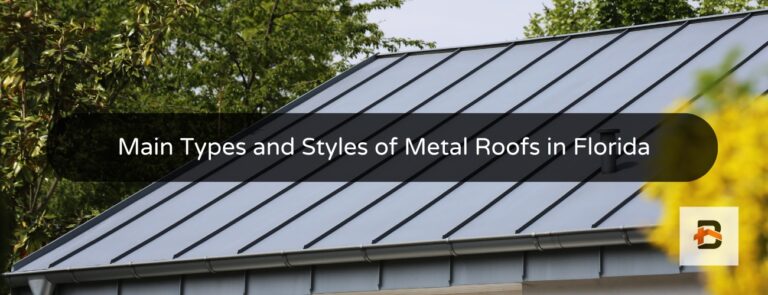
Metal roofing is a great option in Florida as it provides a long lifespan, little maintenance, and high efficiency. One of its biggest advantages is its durability. Metal roofs generally last between 25 and 50 years, meaning you’re unlikely to need to replace a metal roof more than once in your lifetime. This makes them a cost-effective option despite incurring higher initial costs than asphalt shingles.
Other advantages of metal roofs include:
- Superior wind resistance: The threat your home faces from hurricanes must be a key consideration when choosing roofing materials. Metal roofs are highly wind resistant, meaning they have a great chance of withstanding even the stormiest weather.
- Curb appeal: Metal roofs are sleek and sharp and come in a variety of colors that fit with different architectural styles and personal tastes. They can also be made to mimic tile, shake, or shingles.
- Home value: A metal roof will appeal to prospective buyers who know they won’t need to replace it for years to come.
- Energy efficiency: Metal roofs can provide high performance in heat reflectivity. The coating you choose will help keep your home cool during the hot summer months and keep your energy bills down.
- Sustainability: Metal roofing is 100% recyclable.
- Fire resistant: Metal roofs can withstand lightning strikes and wildfires.
- Lightweight: Homes with weaker structures need a lightweight but durable roofing material like metal.
Metal roofing is a great option for many Florida homes. However, it’s not without its disadvantages. For example, your initial investment will be higher when compared to asphalt shingles. Additionally, it can be difficult to match colors during repairs because metal roofs fade over time.
Best Roofing Materials for Flat Roofs
Flat roofing requires specialized materials to prevent issues like leaks, punctures, and weather damage. Among the most common roofing materials for flat roofs are:
- Built-up roofs: Composed of layers of felt, asphalt, and bitumen covered with a top layer of crushed stone for greater weather resistance.
- Modified bitumen: Polymer-reinforced layers that adapt to fluctuating temperatures, especially low ones.
- Single-ply membranes: Synthetic rubber that resists debris impact and extreme temperature changes.
Your roofing contractor will be able to recommend the best materials according to your roof’s unique characteristics and the required wind and rain resistance for flat roofs in your area.
Do Roofing Material Choices Impact Insurance Rates?
Some insurance companies may offer lower rates for roofs made of more durable materials because they’re long-lasting and offer greater resistance to fire and severe weather. Check with your insurance provider for the latest information on any building materials that could impact your premium as company policies change over time.
According to Florida PACE, slate, tile, concrete shingles, and metal roofs are the most durable but also the most expensive to replace. That said, insurance is only one of the financial considerations when installing a new roof. Discuss your options with your roofing contractor and insurance provider to get a clear picture of all the financial and practical implications of your roofing material choices.
Make Strategic Roofing Choices for 2025 and Beyond
Florida homeowners have the choice of several roofing options, each with its own set of advantages and considerations. Traditional asphalt shingles continue to offer a reliable and cost-effective solution. Advancements in materials like composite tiles and solar roofing also present compelling options. The best material will depend on the type of roof you have.
Ultimately, the best roofing material for your home will depend on individual priorities, whether they be budget constraints, long-term durability, energy efficiency, or aesthetic preferences. Regardless of the material chosen, proper installation by an experienced local roofing contractor and regular maintenance will ensure your roof has the best chance of withstanding the state’s unique meteorological challenges.